
Last updated: October 22, 2026
Key Takeaways
- Screening comes before the first lash.
- Main risks include allergy, irritation, infection, and strain on natural lashes.
- Ask five standard questions to check a studio before booking.
- Blepharitis, eye infection, recent surgery, and uncontrolled allergy symptoms usually mean waiting for an ophthalmologist’s advice.
Eyelash Extension Risks and Safety: What to Know Before Booking comes down to two questions: can the lash adhesive, tools, and technique stay away from your eye, and is your own eye health a good fit for the service? For some people, the answer is yes with careful screening. For others, especially people with sensitive eyes, blepharitis, or a history of eye reactions, the risk is high enough to skip the appointment.
Eyelash extension safety starts before the appointment
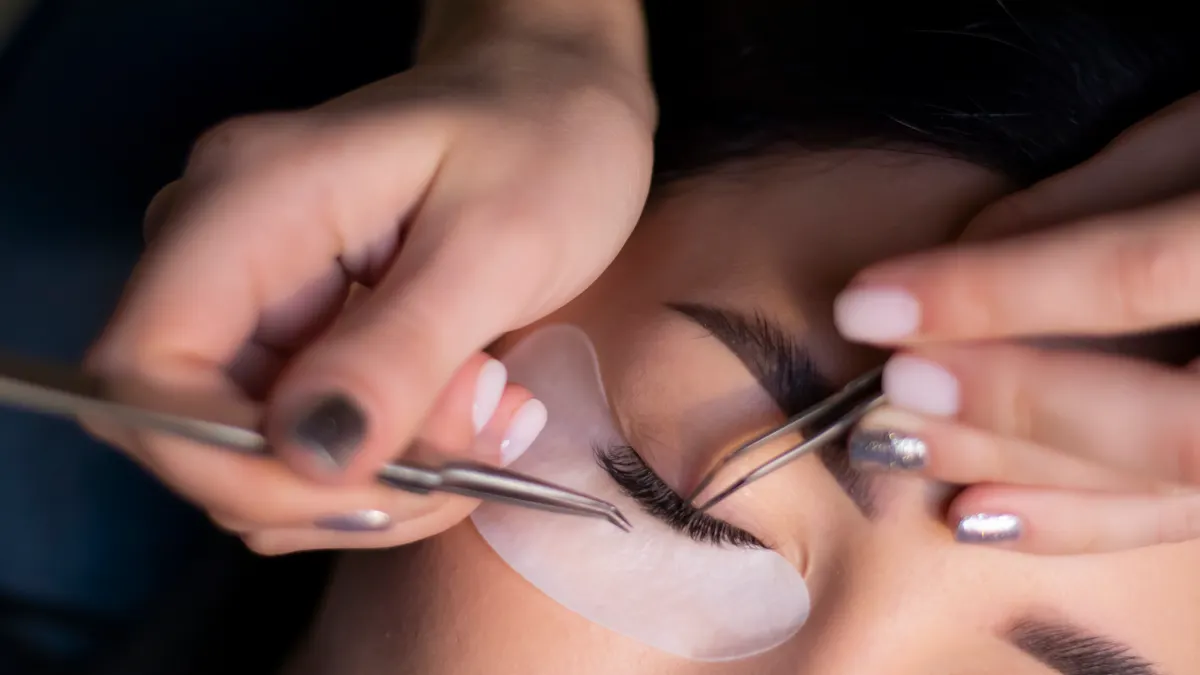
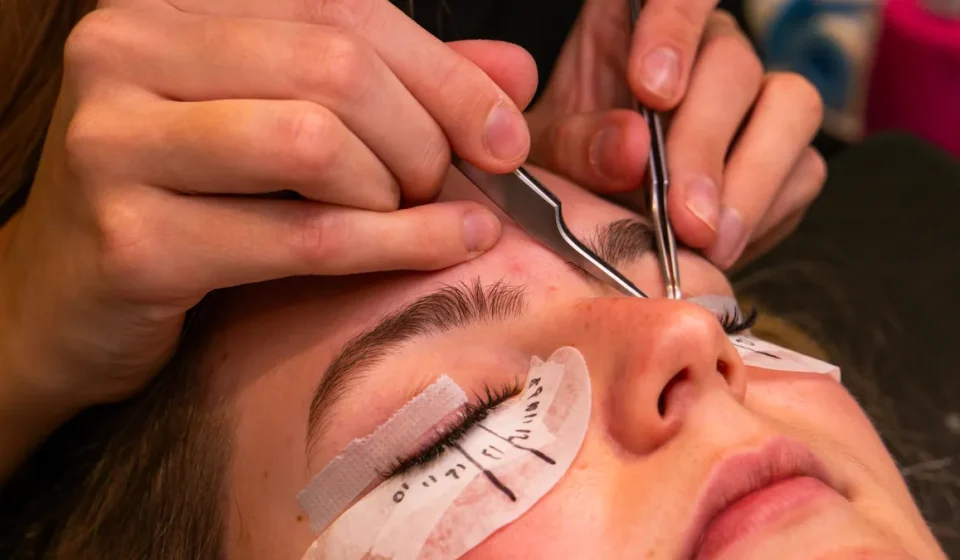
Eyelash extension safety starts with screening, not with the first lash. A competent lash artist should ask about contacts, eye drops, recent eye infections, allergies, and any history of swollen lids, itching, or burning after cosmetics. That conversation matters because the problem is usually not the synthetic lash itself; it is the lash adhesive, fumes, tape, cleansers, and the pressure of working close to the eye for 1 to 2 hours.
A basic pre-booking screen should cover:
- Ask whether you have sensitive eyes, eczema around the lids, or a past reaction to nail glue, hair dye, or acrylic nails. Those can point to a higher chance of reacting to cyanoacrylate-based lash adhesive.
- Confirm the room setup. A clean bed, fresh disposables, and hand hygiene reduce contamination risk, though they do not remove allergy risk.
- Ask what products are used. A studio should be able to name the adhesive brand, eye pads, and cleaners, not just say “medical grade.”
- Ask about training and sanitation. A certified lash technician should describe how tweezers, trays, and surfaces are cleaned between clients.
- Request a patch test if you have never worn extensions or have a history of reactions. A patch test is not a guarantee, but it can reveal obvious sensitivity before a full set is attached.
The booking conversation should feel specific. If a studio cannot answer simple questions about products or sanitation, that is a warning sign. So is pressure to book immediately without screening. Eyelash extensions are a cosmetic service, but the eye is not a place for improvisation.
For a broader introduction to the service itself, the hub page on what eyelash extensions are can sit above this safety guide. This page is the one to read when the real question is whether the service is a good idea for your eyes.
What eyelash extension risks actually matter?
The main risks are allergic reaction, irritation, infection from poor sanitation, and stress on the natural lashes. The most common complaint is not dramatic injury; it is red, watery, itchy, or burning eyes that start during or after the appointment and do not settle quickly.
The biggest risk categories are:
- Allergic reaction to lash adhesive. Many adhesives used for extensions contain cyanoacrylate, a fast-bonding ingredient that can trigger eyelid swelling, redness, itching, or dermatitis in sensitive people. This is the risk most readers underestimate.
- Mechanical irritation. A lash that is too long, too heavy, or placed too close to the lid margin can poke the eye or irritate the skin.
- Sanitation failures. Dirty tweezers, reused disposables, poor hand hygiene, and contaminated products can raise the chance of eye infection.
- Lash damage. Extensions that are too heavy or applied to multiple natural lashes at once can cause breakage or traction on the natural lash line.
- Chemical sensitivity. Fumes from adhesive, primer, or removers can be rough on sensitive eyes, even if you do not have a true allergy.
There is a simple rule here: the closer the service gets to the eye, the less room there is for guesswork. A patch test helps with allergy screening, but it does not catch every problem. Someone can still react later, especially after repeated exposure. That is why a “no problem last time” history is not a promise of future safety.
A generic article often misses one key point: “safe” does not mean “safe for everyone.” For a person with mild irritation once or twice a year, careful application may be reasonable. For someone with blepharitis, recurrent styes, or very sensitive eyes, the risk profile changes enough that a different beauty service may be the better choice.
How to screen a lash studio before you book
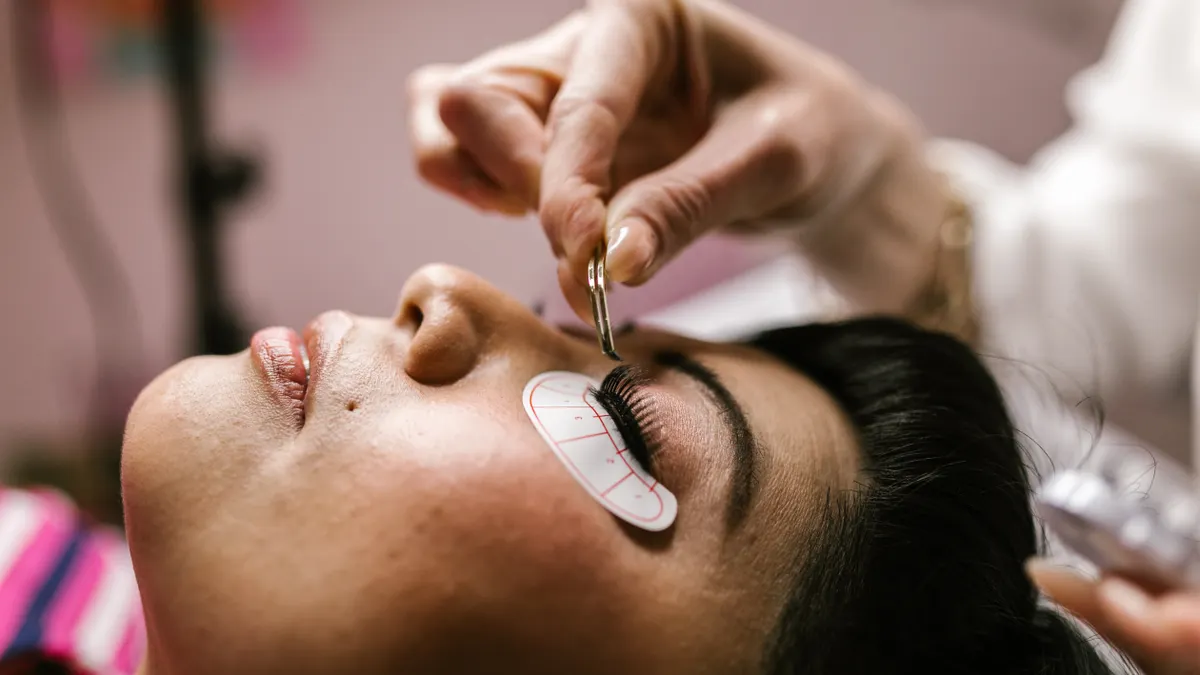
You can screen a lash studio in 10 minutes by asking the same five questions every time. A serious technician will answer clearly; a careless one will stay vague.
- Ask what adhesive is used and whether it is designed for eyelash extensions. The answer should name a lash adhesive product, not “just glue.” You are listening for familiarity with the actual materials.
- Ask whether a patch test is available, and when it should be done. For people with sensitive eyes or known allergies, a patch test 24 to 48 hours before a full set is a common precaution, though it cannot rule out every reaction.
- Ask how tools are sanitized between clients. Tweezers should not be shared from one appointment to the next without cleaning and disinfection.
- Ask whether the lash artist works from the natural lash line and avoids placing adhesive on the skin. Adhesive should bond the extension to the natural lash, not touch the eyelid.
- Ask what they do if a client develops eye pain, swelling, or blurred vision during the appointment. You want a plan, not embarrassment.
Then watch the setting. A tidy desk is not a medical certificate, but it does show habits. Single-use applicators, clean trays, capped products, and a technician who washes hands before the service are better signs than scented towels and vague reassurances.
Avoid studios that promise “hypoallergenic” as a blanket claim. That word is not a safety guarantee. It often means “less likely to irritate,” not “cannot cause a reaction.” If the studio cannot explain what makes their setup lower risk, treat that as a red flag.
A good booking decision is usually obvious after the questions. The safe studio sounds specific. The unsafe one sounds relaxed in the wrong way.
Which medical and eye conditions make eyelash extensions a bad idea?
Blepharitis, active eye infection, recent eye surgery, and uncontrolled allergy symptoms make eyelash extensions a bad idea until an ophthalmologist says otherwise. That is the blunt answer, and it matters because the cosmetic downside is small compared with the cost of worsening an eye condition.
Skip or postpone the service if you have:
- Blepharitis. Inflamed eyelid margins already create crusting, irritation, and lash-line tenderness. Adding adhesive and weight can make the area harder to keep comfortable.
- Conjunctivitis or any active eye infection. Red, sticky, or painful eyes need medical attention, not a lash appointment.
- Recent LASIK, cataract surgery, or other eye surgery. The eye surface and lids need time to heal, and your surgeon’s instructions take priority.
- Known adhesive allergies or strong sensitivity to cosmetics. If you have reacted to cyanoacrylate, nail products, or similar chemicals, the odds of a bad lash reaction rise.
- Uncontrolled dry eye or severe sensitive eyes. The fumes and lid manipulation may make symptoms worse.
- Trichotillomania or active lash loss. Extensions can add stress to fragile lashes and make the appearance problem harder, not easier.
This is where an ophthalmologist matters. A lash artist can tell you whether the style will look balanced, but an ophthalmologist can tell you whether your eyes are healthy enough for the process. If you wear contact lenses, have a history of corneal problems, or take medication that affects eye comfort, medical advice is worth getting before you book.
A common mistake is assuming that because the service is cosmetic, it is automatically low stakes. The eye does not care whether the reason was beauty or medicine. Pain, redness, and swelling are still pain, redness, and swelling.
What a patch test can and cannot tell you
A patch test can lower uncertainty, but it cannot promise that eyelash extensions will be safe for you. That is the honest version most people need to hear before booking.
A practical patch test should be done with the exact adhesive or product line the studio plans to use, ideally 24 to 48 hours before the full appointment. Some studios place a few lashes on one or two natural lashes; others test the adhesive on a small area near the outer eye. The key is consistency. A test with a different glue tells you less than a test with the real product.
A patch test can help you spot:
- Immediate burning or tearing
- Delayed itching or lid swelling
- Redness that keeps building over several hours
- Skin changes around the eye area
A patch test cannot reliably detect:
- Reactions that only show up after repeated exposure
- Irritation from longer appointment time or stronger fumes on the full set
- Problems caused by poor application technique
- Mechanical strain from a style that is too heavy
If you have sensitive eyes, the patch test is worth requesting, but it should not be treated like a green light. The smarter question is whether you need extensions at all, or whether a lower-risk option makes more sense. A strip lash for an event, mascara, or a lift service may be a better fit for someone with a history of eye irritation.
The trade-off is simple: a patch test adds time and may still leave some uncertainty. Skipping it saves 24 to 48 hours, but it also removes one of the screening tools available before a full set is attached.
Red flags that mean you should leave the appointment
You should leave the appointment if your eyes sting, swell, or water heavily during the service, or if the studio starts ignoring your symptoms. That is not being dramatic; that is protecting the eye.
Walk out if you notice:
- A strong chemical smell that makes your eyes burn before application even begins
- Adhesive touching the skin of the eyelid rather than only the natural lash
- A technician using reused tools without obvious cleaning
- Dirty surfaces or expired-looking products
- Pressure to keep going after you say your eye feels wrong
- Pain, not just mild discomfort
- Blurred vision, marked redness, or swelling that is getting worse
A lash appointment should not feel like a medical emergency, and it should not be treated as one of those “push through it” beauty services. The eye has very little tolerance for error. If the service is done correctly, you may feel slight awareness of the tools, but not sharp pain or a growing burn.
If symptoms start at the appointment, do not wait for the “full set” to finish out of politeness. Stop the service, explain the symptom clearly, and ask what product touched the eye. If there is any vision change or significant swelling, seek prompt medical advice. An ophthalmologist is the right specialist if the eye itself is involved.
The least exciting decision can still be the right one: leave, cancel, and protect the eye you have. Cosmetics can wait. Corneal irritation should not.
The safest way to decide if eyelash extensions are for you
The safest decision is to book only if you have no active eye problem, no known adhesive sensitivity, and a studio that can answer screening questions clearly. That is the short version, but the real decision comes down to your risk tolerance and eye history.
Use this final checklist:
- Have you had blepharitis, conjunctivitis, or recent eye surgery? If yes, pause and ask a doctor first.
- Do you have sensitive eyes or a history of reactions to glue, false nails, or beauty chemicals? If yes, request a patch test and consider skipping the service.
- Can the studio name the adhesive, explain sanitation, and describe what happens if symptoms start? If no, choose another place.
- Are you comfortable accepting some chance of irritation even with screening? If no, the service is not a good match.
My position is straightforward: eyelash extensions are not the right choice for everyone, and they are a poor choice for anyone who treats eye symptoms as a nuisance instead of a warning. The people who do best are those with healthy eyes, careful screening, and a technician who takes safety seriously.
For readers who want the basic service overview before deciding, the main guide to what eyelash extensions are can fill in the style and process. This page is for the safety decision, and that decision should be based on your eyes, not on the trend.
Can eyelash extensions cause an allergic reaction?
Yes, eyelash extensions can cause an allergic reaction. The lash adhesive is the usual culprit, especially for people with sensitive eyes or a history of reacting to cyanoacrylate-based products. A patch test may help flag sensitivity, but it does not rule out every reaction, especially one that develops after repeated exposure.
Who should avoid eyelash extensions?
People with blepharitis, active eye infection, recent eye surgery, known adhesive allergies, or significant sensitive eyes should avoid eyelash extensions unless an ophthalmologist says the risk is acceptable. Anyone who gets eyelid swelling, burning, or redness from cosmetic products should be cautious, because the eye area is less forgiving than the skin elsewhere.
How do I know if lash extensions are safe for me?
Lash extensions are safer for you if your eyes are healthy, you have no history of reactions to lash adhesive or similar chemicals, and the studio can explain its sanitation and patch test process clearly. If you have blepharitis, ongoing irritation, or any vision change, ask an ophthalmologist before booking.
Drafted with AI; not yet reviewed by a person.