
Last updated: October 20, 2026
Key Takeaways
- Classic is the simplest option; hybrid balances softness and fullness; volume gives the densest finish.
- Classic is best for a subtle look, not for building major fullness.
- Hybrid gives the widest range of everyday looks, beyond a strict all-or-nothing choice.
- Volume creates the fullest lash line, but it is less subtle than the other two.
Classic, hybrid, and volume lashes are not three versions of the same look. They change how much lash density you get, how soft or dramatic the finish feels, and how heavy the eyelash extension set can look on the eye. If you want the shortest answer to Classic vs Hybrid vs Volume Lashes: Which Style Fits Your Look?, classic lashes suit the most natural result, hybrid lashes suit the in-between look, and volume lashes suit anyone who wants visible fullness with a denser lash fan.
I write about beauty comparisons with a focus on the difference that matters at the chair: what changes the finished look, what changes the wear experience, and who should skip each style. For a plain-English primer on the category itself, see the hub on what eyelash extensions are.
The real difference between classic, hybrid, and volume lashes
Classic wins for simplicity, hybrid wins for balance, and volume wins for fullness. The deciding factor is not the brand or the salon name; it is how many extensions are attached to each natural lash and what that does to density and depth.
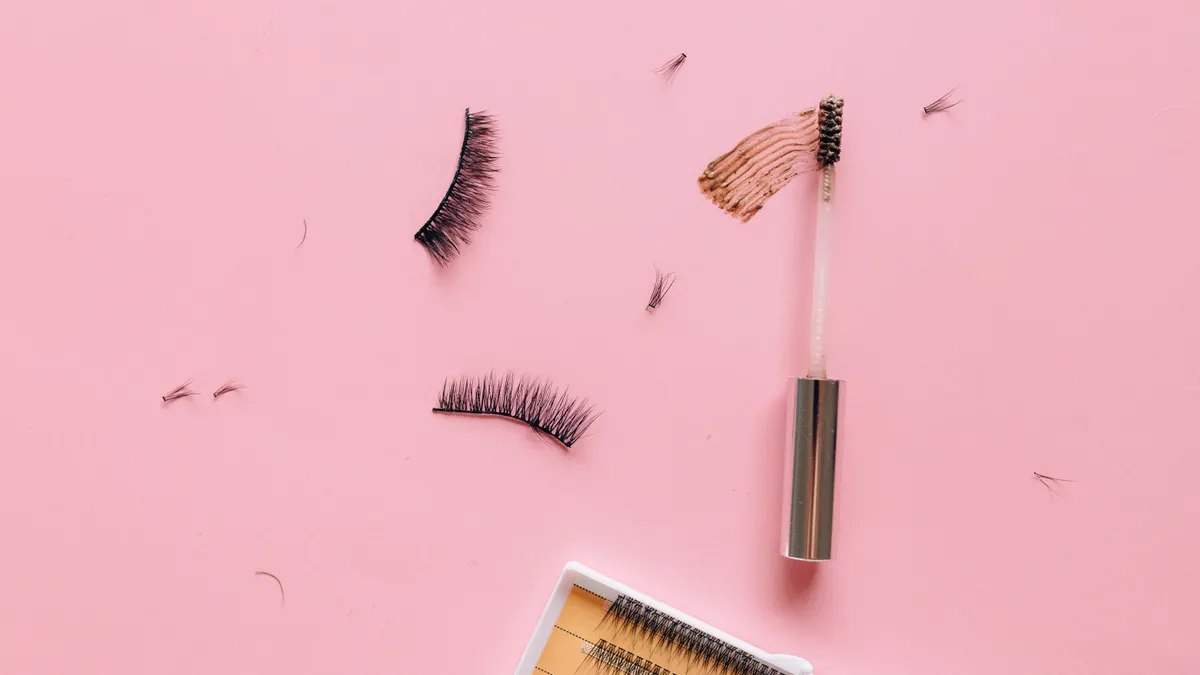
Classic lashes use one extension on one natural lash. That keeps the finish clean and separated, so the eye reads as “enhanced” rather than “made up.” Hybrid lashes mix classic placement with volume fans, which creates a textured strip of fullness without going fully dense. Volume lashes use a fan of multiple lightweight extensions on a single natural lash, so the line looks softer, darker, and more filled in.
The practical difference is visible at a glance. Classic can look crisp on a full natural lash line, but it will not fake much fullness where the client’s own lashes are sparse. Hybrid fills in gaps better while still showing some separation. Volume is the most forgiving if the goal is density, but it can overwhelm small features or a very low-key makeup style.
Here is the clean comparison:
| Criteria | Classic lashes | Hybrid lashes | Volume lashes | Winner for condition |
|---|---|---|---|---|
| Natural-looking finish | Clean and simple | Softly textured | More makeup-like | Classic for subtlety |
| Visible fullness | Lowest | Mid-range | Highest | Volume for density |
| Lash line texture | Separated | Mixed texture | Dense, fluffy line | Hybrid for dimension |
| Best on sparse natural lashes | Limited | Better than classic | Strongest coverage | Volume if lashes can support it |
| Best on very full natural lashes | Good | Very good | Can look heavy | Classic or hybrid |
| Dramatic effect without strip-lash look | Modest | Strong | Strongest | Hybrid for balance |
| Need for maintenance tolerance | Lowest visual drama if one lash sheds | Moderate | Highest visual impact loss if gaps appear | Classic for low drama wear |
| Eye-opening effect | Subtle | Noticeable | Most pronounced | Volume for bigger finish |
The standard mistake is choosing by trend name. The better move is to choose by the visual you want at 8 a.m. in daylight. If you want your lashes to look like your own lashes on a good day, classic is the right lane. If you want “my lashes but better,” hybrid usually lands best. If you want your eyes to read fuller from across a room, volume is the strongest tool.
Classic lashes: who they suit and who should skip them
Classic wins for people who want the least obvious extension look, and it loses for anyone trying to build real fullness. Because the application is one extension per natural lash, the final result depends heavily on how many healthy natural lashes are already there.
The strength of classic lashes is restraint. They sharpen the lash line without adding much bulk, so they pair well with a polished-but-quiet face: office makeup, soft skin tint, or no makeup at all. A classic set can be the right answer for straight, evenly spaced natural lashes where the goal is definition rather than density. It also keeps the lash map easier to read, which helps if the wearer dislikes the “fluffy” effect of more layered styles.
The drawback is built into the format. If the natural lash line is sparse, classic extensions cannot create the illusion of a much thicker fringe because they do not multiply each lash. That means the result may look neat but not transformative. Classic also shows gaps more plainly as natural lashes shed in their cycle; there is less visual camouflage than with a volume fan.
Classic is usually the better choice for a first-time client who wants to learn how eyelash extension sets look on their face without committing to a dense style. It is not the right pick for someone using lashes to correct uneven density, outer-corner gaps, or a naturally thin lash line. It is also a poor match for a client who wants a high-drama finish with visible fullness from every angle.
One useful rule: if you are trying to keep the result closest to bare lashes, choose classic. If you are trying to hide the fact that extensions are there, classic is the closest fit of the three.
Hybrid lashes: the middle ground that actually makes sense
Hybrid wins for most people because it gives the broadest visual range, and that matters more than label purity. It sits between classic and volume in both appearance and wear experience, which makes it a strong recommendation when a client wants softness plus visible fullness.
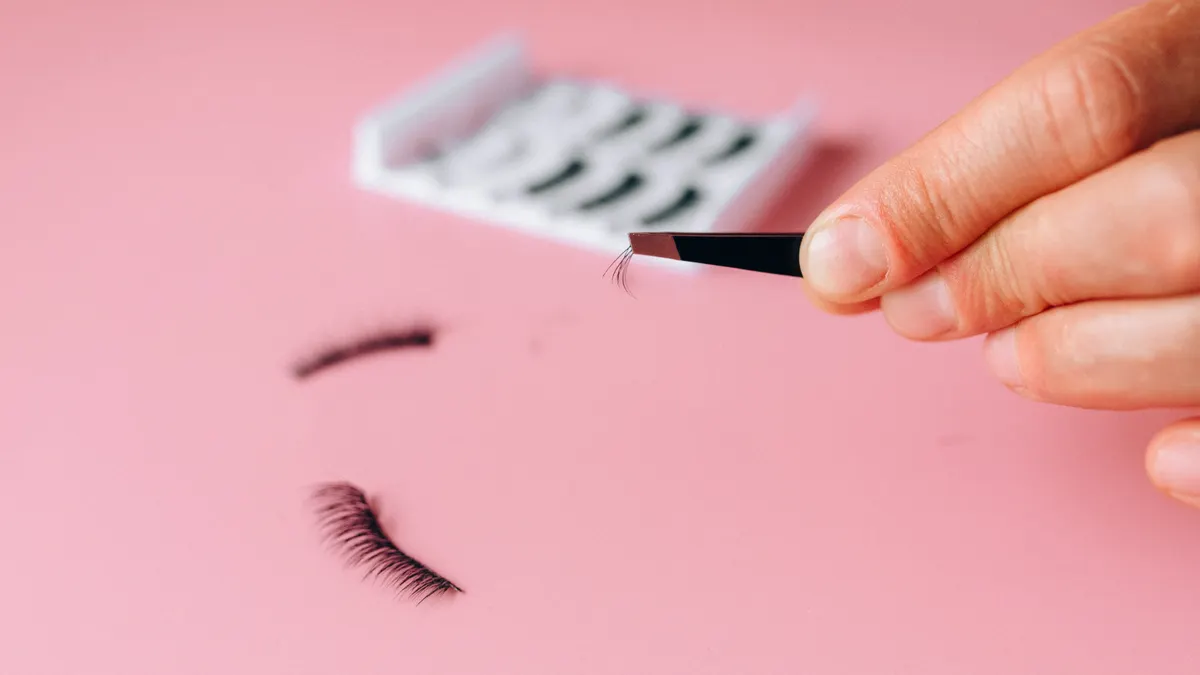
Hybrid sets mix classic extensions and volume fans in the same eyelash extension set. That mixture creates a less uniform line than classic and less dense blockiness than a full volume set. In plain terms, it looks fuller without flattening the eye into one solid strip. This is why hybrid often suits people who wear mascara on the top lash line but do not want a heavy lash extension look every day.
The main strength of hybrid is flexibility. A lash artist can place more fans where the lash line is sparse and more classics where the natural lashes are already strong. That lets the finished result adapt to eye shape considerations better than a single-method set. It can soften hooded eyes, lift a downturned outer corner, or add shape to a round eye without the blunt intensity that some volume styles create.
The trade-off is that hybrid can look messy if the mix is not planned well. A poorly balanced set may look patchy rather than textured, especially if the classic and fan placement do not follow the same direction. It also does not deliver the dense “powdered” effect of volume, so anyone chasing maximum fullness may still feel underdone.
Hybrid is a good compromise for someone who wants a noticeable result but still wants the eye to look airy. It is not the best fit for someone who wants the most natural possible finish, because the texture is visibly more stylized than classic. It is also not ideal for someone who wants maximum drama; in that case, volume is the clearer answer.
Volume lashes: the best pick for fullness, with real limits
Volume wins for lash density and a soft, plush finish, and it loses when the goal is subtlety. Because each natural lash carries a fan of lightweight extensions, the eye line looks denser than classic or hybrid even when the actual number of natural lashes is not high.
The biggest strength of volume lashes is coverage. The fan structure fills visual gaps and creates a darker lash line, which is why volume is often the better answer for sparse natural lashes or for clients who like a more polished, makeup-forward look. On the eye, volume reads less like individual lashes and more like a shaped lash cloud. That can lift the eye visually and make the lash line stand out in photos, evening lighting, or heavier makeup.
The drawback is equally real: volume can be too much. On small eyes, very fine features, or a person who likes a barely-there style, the added density can swallow the lid space and make the result look heavy. It also depends more on correct isolation and fan quality, because a thick set with poor mapping can feel bulky fast. If the natural lashes are weak or compromised, a volume set may not be the right load for them; a professional should assess lash health before choosing the style.
Volume is the strongest choice for a client who wants visible fullness without reaching for strip lashes every morning. It is not the best choice for minimalists, first-timers who are unsure about drama, or anyone who wants their extensions to disappear into a natural look. It is also not the place to start if the natural lash line is already delicate and the wearer is hoping for a soft enhancement only.
One more note: mega volume lashes are a separate, more intense end of the volume family. They push density even further, so they suit a very dramatic finish, not a soft daily-wear look.
Which lash style fits your eye shape and face?
Hybrid is the safest all-around match for most eye shapes, but classic or volume can win when the shape and style goals are more specific. Eye shape matters because lash styles change the visual balance of the lid, not just the fullness.
For round eyes, classic or soft hybrid often works best if the goal is to avoid making the eyes look wider or more open than desired. For almond eyes, all three styles can work, because the shape already handles lash variation well. For hooded eyes, hybrid or volume often gives a clearer visible line, especially if the mapping lifts the outer portion without crowding the lid. For downturned eyes, a carefully placed hybrid can help soften the outer edge without creating a heavy corner.
The point is not that one style “belongs” to one eye shape. The point is that the same density can read very differently depending on lid space and the natural lash line. A dramatic volume set on a small lid can overwhelm the face. A classic set on a very sparse lash line can vanish. Hybrid sits in the middle because it can be adjusted more easily.
Face style matters too. If the rest of the look is low-key, classic keeps the balance. If the wearer likes fuller brows, liner, contour, or glam makeup, volume may match the overall visual weight better. That is why the better choice is rarely the style with the most buzz; it is the style that matches the face the wearer already wears.
The verdict: which one should you choose?
Choose classic lashes if you want the most natural finish, already have a decent natural lash line, and do not want your extensions to announce themselves. Choose hybrid lashes if you want a flexible middle ground with visible fullness and some softness. Choose volume lashes if your main goal is density, a darker lash line, or a more dramatic result. Neither if your natural lashes are weak, very sparse, or you want a no-maintenance option; in that case, ask a professional whether extensions are a good idea at all.
That call is the simplest honest answer. Classic is for subtle definition. Hybrid is for balanced everyday wear. Volume is for fullness that reads immediately.
When the answer changes
The overall recommendation flips in a few specific cases.
If the client has very sparse natural lashes, volume can move ahead of hybrid because it does more visual repair. A sparse lash line has less to “show off,” so classic may look underwhelming and hybrid may still leave visible gaps.
If the client wants the least obvious extension set for a conservative workplace, classic becomes the only real match. Even a soft hybrid can read noticeably fuller in daylight, especially under close office lighting.
If the client wears strong eye makeup daily and wants the lashes to keep up, volume often becomes the better fit. The denser lash fan holds its own against liner and shadow better than classic lashes do.
If the client has tiny lid space or dislikes a crowded look, hybrid can be a mistake and classic becomes safer. Volume is the one most likely to overpower compact features.
A quick way to choose without overthinking it
Classic is the “barely there” choice, hybrid is the “most people will like this” choice, and volume is the “I want people to notice my lashes” choice. That is the whole decision tree.
If the goal is to look polished but plausible, choose classic or hybrid. If the goal is to look fuller in any lighting, choose volume. If the goal is to keep the lash line looking like natural lashes rather than a styled set, classic is the cleanest answer. If the goal is a soft but visibly enhanced look that works on many faces, hybrid is the strongest middle path. If the goal is a dense, plush finish and the natural lashes can support it, volume earns the spot.
Which lash style is best for beginners?
Classic lashes are usually the easiest starting point. The look is simpler, the finish is less dramatic, and it is easier to judge how extensions sit on your face when the style is not highly layered. If a beginner already wants more fullness than classic can provide, hybrid is the next logical step.
Which lash style looks most natural?
Classic lashes look most natural. The one-to-one application keeps the lash line readable and avoids the denser texture that comes with volume fans. Hybrid can still look soft, but it is visibly more styled than classic, especially in bright light.
Can you mix lash styles?
Yes, and that is exactly what hybrid lashes do. A lash artist can also vary mapping within a set to place more fullness where the eye needs it and more restraint where it does not. The limit is balance: too much mixing can look uneven rather than intentionally textured.
Drafted with AI; not yet reviewed by a person.