
Last updated: October 20, 2026
Quick Answer: for most clients, Choosing the Right Lash Service — The Complete Guide starts with one question: do you want added fibers or a lash lift? In practice, the decision usually comes down to extensions for more impact, or a lift for less upkeep, with fills often every 2 to 3 weeks and lifts lasting about 6 to 8 weeks.
Key Takeaways
- Tinting only deepens lash color; it won’t add curl or thickness.
- Classic lash extensions suit clients who want a defined, mascara-like finish without strip-lash heaviness.
- Hybrid and volume sets add more visible fullness and texture than classic extensions.
- A lash lift enhances your own lashes instead of adding synthetic ones.
Choosing the right lash service comes down to one question: do you want a set that looks fuller for a few weeks, or do you want a lower-commitment service that protects the health of your natural lashes? The answer changes everything—from which service to book to how much upkeep you can tolerate. In Choosing the Right Lash Service — The Complete Guide, the answer depends on your natural lash base, your schedule, and how much daily maintenance you are willing to accept.
If you are new to lash appointments, the confusing part is not the style names. It is the difference between classic extensions, volume extensions, hybrid sets, lash lifts, and tinting, plus the reality that your natural lash length, eye shape, and aftercare matter as much as the menu. I write about beauty services and salon decision-making with a focus on what clients actually need to know before they book.
The first decision: extension, lift, or tint?
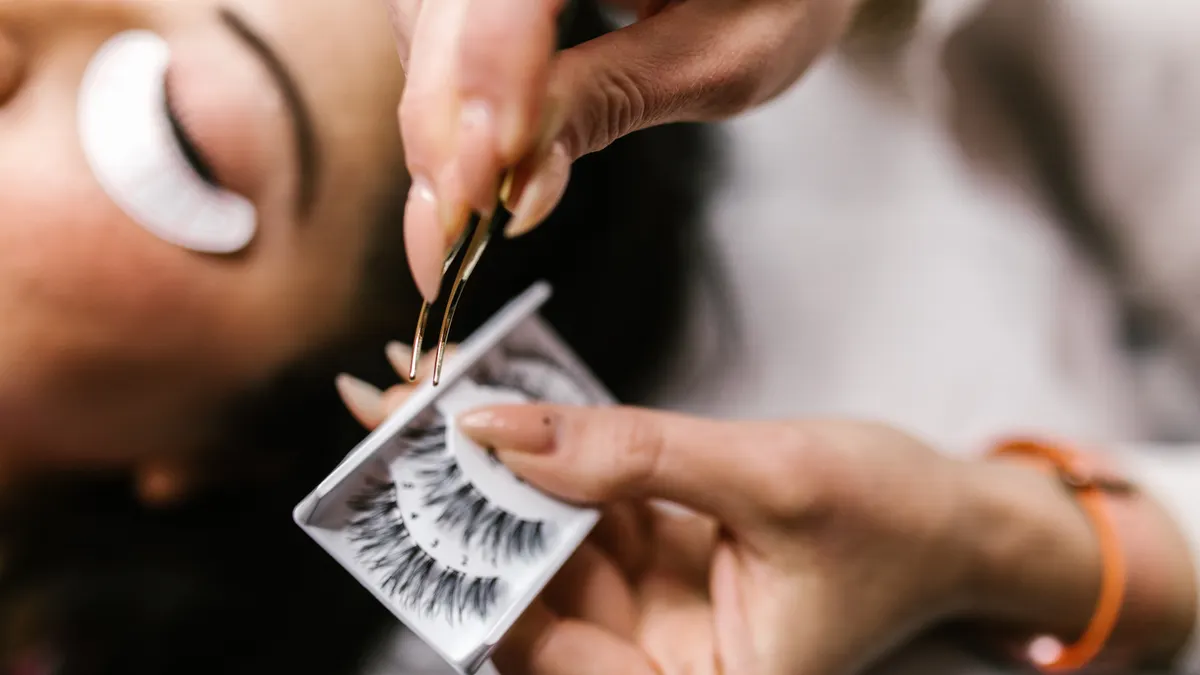
The best choice is often either a lash extension service or a lash lift, and the right one depends on how dramatic you want the result to be and how much maintenance you will accept. A tint alone is the lightest option, but it only deepens color; it does not add curl or thickness.
A lash extension service adds synthetic fibers to your natural lashes using adhesive. A lift changes the shape of your own lashes with a chemical perming solution, then a tint can darken them. Those are not interchangeable services, even when salons bundle them in the same menu. Extensions build density and shape from the lash line out. A lift works with what you already have, which is why people with long but straight lashes often get a better visual payoff from a lift than from a full set.
The real trade-off is time versus impact. Extensions usually need fills every 2 to 3 weeks because natural lashes shed on their own. A lift commonly lasts around 6 to 8 weeks, though that depends on your lash cycle and home care. A tint fades faster than either. If you want a polished look with fewer touch-ups, lift-plus-tint is often the cleaner choice. If you want the most noticeable change, extensions win.
This is also where a lot of generic advice goes wrong: it treats “lashes” as one category, so it helps to consult a lash professional or licensed esthetician about what your natural lashes can support. A person with sparse lashes and a busy schedule may hate the maintenance of extensions. A person with very short lashes may also get less dramatic lift results because there is less length to curl. The right service depends on what your lashes can actually support, not just on the photo on the salon wall.
What are classic lash extensions, and who should book them?
Classic lash extensions are often a strong choice for someone who wants a defined, mascara-like look without a heavy strip-lash effect. In a classic set, the artist attaches one extension to one natural lash, so the result is usually cleaner and more natural than volume sets.
Classic extensions work well if your natural lashes are reasonably healthy and you want length more than density. They are the most straightforward extension style for a first-timer because the look is easier to predict. They also tend to be the easiest to explain to a salon: “I want noticeable but not dramatic.” That sentence points you toward classic or a very light hybrid set.
The weakness is just as clear. Classic sets do not create as much fullness as volume. If your natural lashes are sparse, the result can still look a little thin in certain angles, especially in daylight. That matters because a classic set cannot create a dense fan effect; it can only enhance what is already there. If you are trying to cover gaps, camouflage a few missing lashes, or get a glossy editorial look, classic may feel underpowered.
Classic is also the wrong choice if you wear very thick eye makeup most days. Heavy liner can compete with the simplicity of the set, and if you want a stronger lash line, volume is the better match. It is also not ideal if your natural lashes are fragile from repeated extensions, chemical treatments, or rough makeup removal, so it is worth consulting a professional before booking. In that case, the service may look good at first but become frustrating as the lash base thins. For more on eye-area care, the American Academy of Ophthalmology discusses lash extensions and eye health, and the U.S. Food and Drug Administration provides cosmetic safety guidance for eye-area products.
The best client for classic extensions is someone with medium to good natural lash density, a preference for an understated finish, and a willingness to return for fills on schedule. If you are mostly trying to cut down on mascara but still look “done,” classic is the most controlled place to start.
Hybrid and volume lashes: when more density is actually better
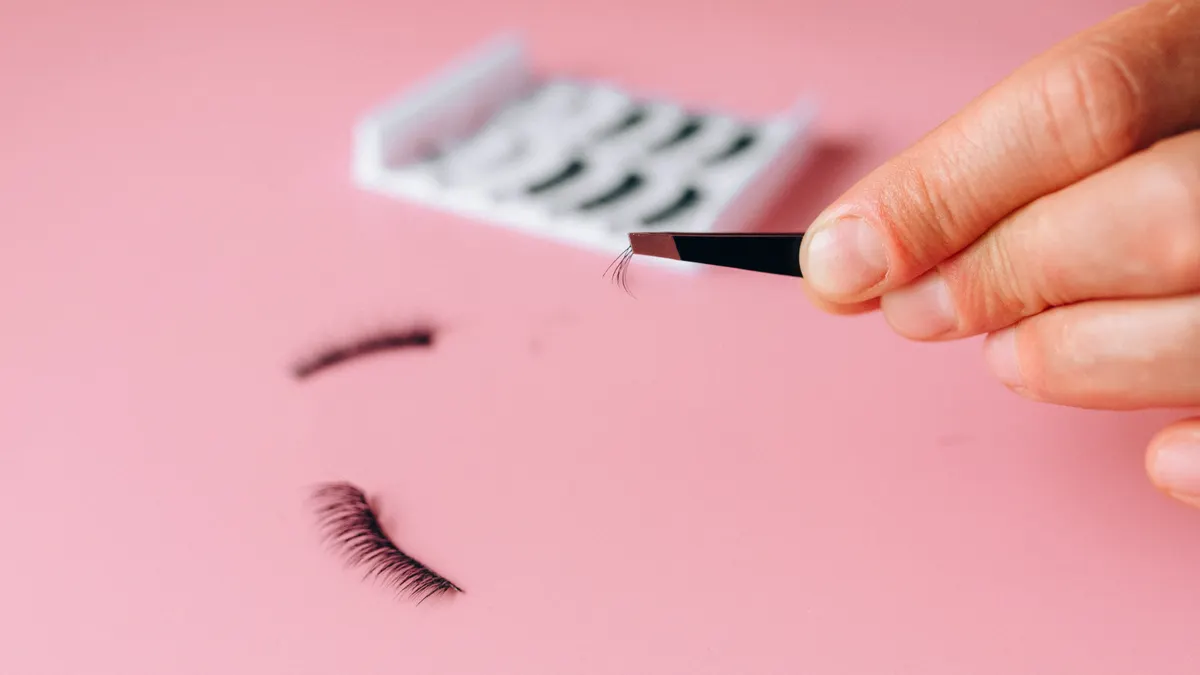
Hybrid and volume lashes are the right choice when you want density, texture, and visible fullness that classic sets cannot provide. Hybrid blends single extensions with fans. Volume uses multiple ultra-light extensions in one fan, which makes the lash line look thicker without necessarily using a heavier individual fiber.
Hybrid wins for people who want softness with some drama. It is the middle ground when classic looks too bare and full volume looks too much like strip lashes. Volume wins for sparse natural lashes, special occasions, and anyone who wants the lash line to read clearly from a distance. If the goal is “my eyes look finished even without makeup,” volume usually gets there fastest.
The trade-off is maintenance and fit. More density means the set can look overgrown sooner as your own lashes cycle out. It also means the style has to match the health of the natural lashes underneath. A proper volume set uses very light fans, but the work still takes skill. If the adhesive is heavy, the fans are too dense, or the mapping is wrong for your eye shape, the lashes can look stiff or drag the eye downward.
This is the section where a generic article often oversells “volume” as if more is always better. It is not. A dense set on a small eye can close off the lash line. A very full cat-eye map can emphasize downturned outer corners. In those cases, a softer doll-eye or wispy hybrid map is smarter than piling on more fibers.
Hybrid and volume are also poor choices if you want the lowest-maintenance service. They usually require stricter aftercare, careful cleansing, and more disciplined fill appointments. If you sleep face-down, use oil-based products often, or want to forget about your lashes for a month, these sets will feel high-effort. For comparison with lower-maintenance options, see the section on lash lift and tint services and the buyer questions below.
How do lash lifts compare with extensions?
A lash lift is the better choice if you want to enhance your own lashes instead of adding artificial ones. It curls the natural lashes upward, which can make them look longer and more visible without the upkeep of extensions.
A lift wins for low maintenance, faster morning routines, and people who do not want to manage fills. It also tends to suit active lifestyles better because there are no extension bonds to baby with oil-free cleansers and careful sleeping positions. If you already have decent lash length, a lift-plus-tint can make the eyes look open and clean in a way that feels less “done” than extensions.
The limitation is obvious: a lift cannot create the illusion of extra volume. If your lashes are very short, thin, or patchy, the improvement may feel modest. It also depends heavily on lash length. A lift on short lashes can look neat but not especially dramatic, because there is simply less material to curl. That is why some people book a lift expecting a “natural extension” effect and leave disappointed.
A lift is also not the best option if you want a specific shape that changes your whole eye presence. Extensions can be mapped to lengthen the outer corners, create a doll-eye effect, or fill a sparse middle section. A lift only works with the lashes already present.
This service is ideal for someone who wants to skip mascara, prefers a cleaner look, and values long wear over drama. It is not the best answer for anyone chasing fullness, density, or a highly stylized shape. If you want the simplest beauty service with the fewest ongoing appointments, this is the one to consider first.
The honest side-by-side
Extensions win on drama; lifts win on simplicity. The better choice depends on whether you want added fibers or enhanced natural lashes, and that difference shows up in upkeep, cost over time, and the final look.
| Criteria | Classic/Hybrid/Volume Extensions | Lash Lift + Tint | Winner for this condition |
|---|---|---|---|
| Final look | Adds length and density from the lash line outward | Curls and darkens your own lashes | Extensions for maximum change |
| Maintenance cadence | Fills often needed every 2 to 3 weeks | Usually lasts about 6 to 8 weeks | Lift for fewer appointments |
| Best for sparse lashes | Hybrid and volume can fill gaps better | Limited by your natural lash count | Extensions for sparse lashes |
| Best for long but straight lashes | Can work, but may be more than needed | Makes length appear more obvious | Lift for long, straight lashes |
| Makeup compatibility | Can replace mascara and liner-heavy looks | Works best with a clean, low-makeup routine | Extensions for daily glamour |
| Sensitivity to technique | Highly dependent on application skill and isolation | Also technique-sensitive, but simpler overall | Lift for a simpler service |
| Aftercare burden | Higher: cleansing, sleeping, and product restrictions matter | Lower: fewer extension-specific rules | Lift for easier upkeep |
| Risk of a “too much” look | Higher with volume or cat-eye mapping | Lower; result stays closer to natural lashes | Lift for understated style |
| Flexibility for special occasions | Very flexible; can be mapped dramatic or soft | Less flexible once processed | Extensions for custom styling |
The table makes one thing clear: the “better” service is not the one with the most followers on social media. It is the one that matches your lash density, your tolerance for maintenance, and the kind of result you want to see every morning. A person who wants fullness and shape control should not settle for a lift because it sounds easier. A person who hates salon upkeep should not book volume lashes and hope they feel low maintenance later.
Two practical details matter here. First, the cleaner the application, the more natural either service will look. Second, the salon should explain what the listing does not tell you: fill schedule, removal policy, and whether the adhesive or perm solution is suitable for sensitive eyes. Those are not side notes; they are the service.
For safety and aftercare guidance, the American Academy of Ophthalmology has a useful overview of lash extensions and eye health, and the U.S. Food and Drug Administration has guidance on cosmetic safety and eye-area products. A good salon should know the difference between cosmetic style and eye safety, not treat them as the same conversation.
What should you ask before you book?
You should ask three direct questions before you book: what look is realistic for my natural lashes, how often will I need maintenance, and what exactly is included in removal or refill pricing? Those questions separate a good lash artist from a pretty Instagram feed.
Ask about consultation time first. A real consultation should cover your eye shape, lash health, and the style map the artist plans to use. That matters because a good result is not just about length. It is about whether the mapping suits your lid space, whether your natural lashes can support the service, and whether the artist will adjust the look if one eye naturally sits differently from the other.
Ask about product compatibility next. If you use retinoids near the eye, wear waterproof mascara daily, or have a history of irritation, say so. A lash lift uses a chemical process. Extensions use adhesive. Both can be irritating if your skin or eyes are reactive. If the salon dismisses that question, keep looking.
Ask about refill policy and removal. Some salons expect a fill every 2 weeks for best retention. Others allow 3 weeks. That difference changes the real cost and the real commitment more than the sticker on the service menu. Removal also matters because poor removal can pull on natural lashes. The listing should say whether removal is included, separate, or only done on salon-applied lashes.
A generic article often tells you to “read reviews” and stops there. That is too vague. Read for patterns: do people mention burning, poor retention, or lashes sticking together? Those are practical red flags. A salon with strong photos but repeated complaints about itchiness, early shedding, or asymmetry is not worth the gamble.
When should you skip lash services entirely?
You should skip lash services if your eyes are already irritated, your natural lashes are severely compromised, or you cannot follow aftercare instructions for the first 24 to 48 hours.
If you have active eye infection, chronic blepharitis, recent eye surgery, significant allergies, or a history of reacting to cosmetic adhesives or perming solutions, talk to a qualified medical professional before booking. Lash services are cosmetic, but they are still close to the eye, and the margin for error is small.
This is also the right call if you know you will rub your eyes, sleep face-down every night, or use oil-based removers and heavy waterproof products without wanting to change your routine. A lash service that conflicts with your habits becomes expensive frustration. The result may look good for a few days, then shed unevenly or cause irritation.
There is also a less obvious reason to skip the appointment: unrealistic expectations. If you want naturally thick lashes but your own are very short and sparse, a lift will not invent length. If you want extreme drama but your eyes are sensitive, volume may be a poor fit even if the photos look tempting. Sometimes the right answer is mascara, a curler, or tinting only.
The useful takeaway is simple. Do not book a lash service just because the category sounds convenient. Book it because the service matches your lash base, your schedule, and your tolerance for upkeep.
The verdict: which one to choose and why
Choose classic or hybrid extensions if you want visible fullness, custom shaping, and a mascara-replacing result. Choose a lash lift plus tint if you want lower maintenance, a cleaner natural finish, and fewer salon visits. Neither if you have active eye irritation, cannot follow aftercare, or are hoping a weak lash base will suddenly behave like a full set.
That is the cleanest decision rule. If your main goal is impact, extensions win. If your main goal is ease, a lift wins. If your main goal is to look polished without thinking about refills every few weeks, skip the extension path. If you want a more dramatic eye frame, skip the lift-only path.
The most common mistake is chasing the wrong effect. People with already decent lashes often spend too much on extensions when a lift would give them the look they wanted with less upkeep. People with sparse lashes sometimes choose a lift because it sounds gentler, then dislike how little it changes the face. Match the service to the actual problem, not to the trend.
Exception scenarios: when the overall verdict flips
Extensions win less often when the main problem is straight, long lashes. In that case, a lift can create a bigger visual change because it exposes length you already have. A long lash that points down can look shorter than it is; curl solves that.
A lift also becomes the better call if you travel a lot and want to reduce salon time. One appointment that lasts 6 to 8 weeks is easier to manage than a fill schedule that expects attention every 2 to 3 weeks. For some people, that difference is the whole decision.
Volume extensions can still be the right answer for a photo-heavy event schedule, even if a lift would be easier. If your calendar includes weddings, shoots, stage work, or frequent evenings out, density matters more than convenience.
Skip both services if your eye area is reactive or if your natural lashes are already fragile from prior overprocessing. In that case, the smartest move is to protect the lashes you have and reconsider later with a licensed professional or medical guidance if needed.
Questions people ask before they book
How do I know if I need classic, hybrid, or volume lashes?
Classic is best if you want a simple, separated look; hybrid is best if you want texture and moderate fullness; volume is best if your priority is density. The right pick depends on how much visible lash line you want after the appointment, not on which style sounds trendier.
How long does a lash lift usually last?
A lash lift usually lasts about 6 to 8 weeks, though your lash growth cycle and aftercare can shorten that. If your lashes grow out quickly or you wet them too soon after treatment, the shape may relax earlier than expected.
Are lash extensions bad for your natural lashes?
Lash extensions are not automatically bad for natural lashes, but poor application, rough removal, and bad aftercare can cause damage. The risk goes up when lashes are overloaded, glued together, or picked at. A skilled application and careful maintenance matter more than the service name alone.
What should I avoid after a lash appointment?
You should avoid rubbing, oil-heavy products near the lash line, and the specific water or steam restrictions your artist gives you for the first day or two. For lifts and extensions alike, the first 24 to 48 hours matter most because the bond or curl is still settling.
Is tinting alone worth it?
Tinting alone is worth it if your lashes are already visible but too light to show up without mascara. It is not the right choice if you want curl, thickness, or a replacement for extensions. Tinting changes color, not structure.
Drafted with AI; not yet reviewed by a person.