
Last updated: October 27, 2026
Quick Answer: Eyelash Extension Fundamentals — The Complete Guide boils down to one practical rule: choose a style you can maintain, because a full set often takes about 1.5 to 2.5 hours and fills usually take 45 to 90 minutes.
Key Takeaways
- Extensions are single lash fibers bonded one by one to natural lashes with cyanoacrylate adhesive.
- The main choice is between more fullness and the upkeep you can realistically maintain.
- Curl, length, and thickness shape the result more than most people expect.
- The first appointment is mostly stillness, and aftercare strongly affects how long the set lasts.
Eyelash Extension Fundamentals — The Complete Guide is most useful when the goal is simple: wake up with fuller lashes and skip mascara, not chase a dramatic look that demands constant maintenance. The core question is not “Are they worth it?” but “What style, curl, and retention level fit my eyes, my routine, and my tolerance for upkeep?” American Academy of Ophthalmology
What eyelash extensions actually are, and what they are not
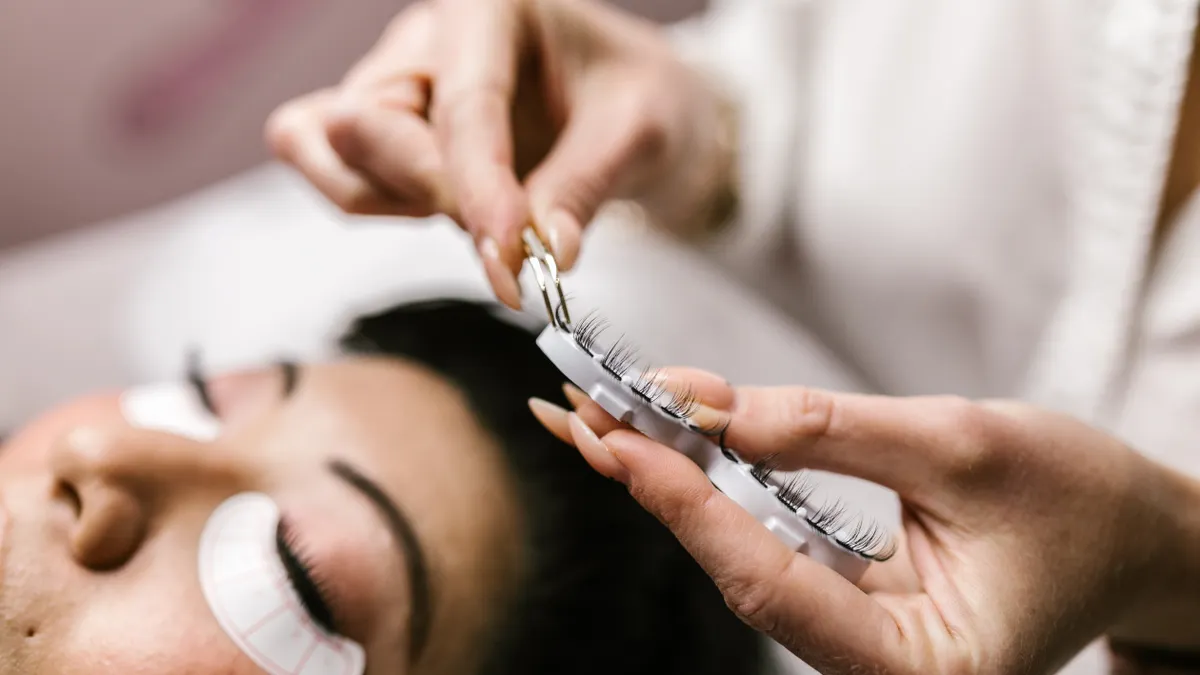
Eyelash extensions are individual synthetic, silk, or mink-fiber lashes attached one by one to natural lashes with a cyanoacrylate-based adhesive. They are not strip lashes, and they are not a treatment that makes your own lashes grow. If you are unsure whether extensions are appropriate for your eyes or sensitivities, consult a qualified professional before booking. That distinction matters because the whole experience changes depending on what you want: longer wear, less daily makeup, or a dense cosmetic effect that can last through a lash cycle with fills.
A good set is built around the natural lash, not against it. The technician should isolate one natural lash before attaching an extension, because sticking multiple extensions together increases weight and can cause twisting, discomfort, or premature shedding. The American Academy of Ophthalmology warns that lash glue and improper application can irritate the eye area, and that poor hygiene can raise the risk of infection; that is one reason the skill of the person applying the set matters as much as the product itself. For a standards-oriented overview of eye safety, the American Academy of Ophthalmology and the U.S. Food and Drug Administration both have patient guidance on cosmetics near the eye. U.S. (Source: Food & Drug Administration)
The right expectation is moderate, not magical. Extensions can reduce the need for mascara and lash curlers, but they do not eliminate maintenance. Most sets need fills every 2–3 weeks because natural lashes shed on their own. If someone sells you a no-maintenance result, that is the first warning sign.
The biggest misunderstanding is assuming all extensions are the same. Classic, volume, hybrid, wet look, and mega volume each produce a different finish and impose different loads on the natural lash. The choice should start with lash health and daily habits, not with a photo taken under perfect lighting.
The two questions that decide the whole result
Eyelash Extension Fundamentals — The Complete Guide comes down to two decisions: how much fullness you want, and how much upkeep you will actually tolerate. Those two answers determine almost everything else.
The first question is visual density. Classic sets place one extension on one natural lash, so they create length and a cleaner line rather than obvious fluff. Volume sets use small “fans” of multiple lighter extensions on one natural lash, which makes the lash line look denser. Hybrid sits between the two. If the aim is a mascara-like finish, classic often wins. If the aim is obvious fullness without daily makeup, volume usually wins.
The second question is maintenance. Extension wear is measured in fills, cleansing, and sleeping habits as much as in the initial appointment. A person who rubs eyes, uses heavy oil-based products, or sleeps face-down will usually lose retention faster. That is not a product defect so much as a wear-pattern issue. If the idea of a 45-minute refill every couple of weeks sounds annoying, a lash lift may be a better fit.
The figures that matter are practical ones: a typical full set often takes about 1.5 to 2.5 hours depending on complexity, while fills often take roughly 45 to 90 minutes. Those timings vary by style and the number of natural lashes available, but they are more useful than any marketing promise. If you want a result with less appointment time and less long-term upkeep, a lift and tint may beat extensions. If you want visible fullness every morning, extensions are the stronger tool.
The common mistake is to choose by trend. Trendy mapping, heavy cat eyes, or ultra-dramatic curls look good on some faces and badly distort others. The better question is which kind of enhancement makes your own eyes look open, even in plain daylight.
Classic, hybrid, and volume in Eyelash Extension Fundamentals
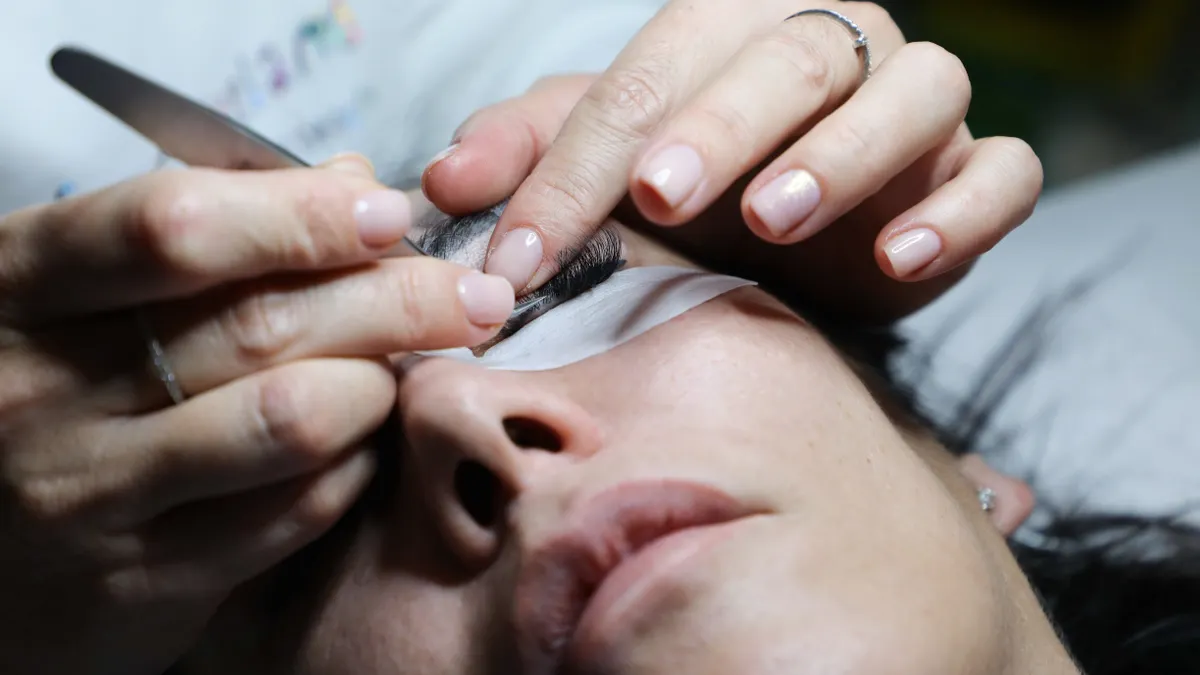
Classic wins for people who want the most natural-looking upgrade, hybrid wins for people who want softness with a bit more density, and volume wins for anyone who wants a fuller, more stylized lash line. That is the plain answer, and it is usually the right one.
Classic sets use a 1:1 ratio: one extension on one healthy natural lash. Because the result follows the natural lash pattern, classic usually looks tidy rather than dramatic. It is often a practical place to start if you are new, if you wear glasses, or if you work in a setting where a stronger lash look would feel out of place. The drawback is just as clear: if the natural lash count is low, classic can look sparse. It does not create the illusion of a thick strip lash the way fans do.
Hybrid mixes single extensions with volume fans. That makes it the middle lane for clients who want more texture than classic but do not want the uniform fullness of a pure volume set. Hybrid is often the most forgiving style for uneven natural lash density. The trade-off is consistency; because it blends techniques, the look can be less crisp than a true classic set and less plush than a true volume set.
Volume uses lighter extensions arranged into fans. Properly made fans can create a visibly dense lash line without having to use thick single fibers. This is the style for dramatic fullness and stronger impact in photos and evening settings. The cost is upkeep and discipline. Volume sets are easier to overdo, especially on weaker natural lashes. When the fan weight or mapping is wrong, the lash line can feel heavy or look too closed-in.
A useful shorthand: choose classic if you want “my lashes but better,” hybrid if you want “noticeably enhanced without the strip-lash effect,” and volume if you want “full, polished, unmistakably done.” The wrong choice is the one that fights your own lashes. Thin or fragile lashes generally do better with lighter mapping and fewer, finer fibers.
How do curl, length, and thickness change the outcome?
Curl, length, and thickness change the result more than most people realize, and the wrong combination can make even a beautiful set look unnatural. The safer choice is usually to let the natural lash set the upper limit, and to confirm that limit with a qualified professional.
Curl is the first lever. Common curls include J, B, C, CC, D, and L variations, with each step lifting the extension more aggressively. A C curl gives a noticeable lift for many eye shapes. A D curl creates a more dramatic upward sweep. An L or L+ style can help hooded or straight-down lashes create visible lift without pushing the extension too far off the lid. The more extreme the curl, the more likely the set is to look stylized rather than effortless.
Length is the second lever. Longer is not automatically better. Extensions that are too long relative to the natural lash can look droopy, feel heavier, and shed faster. A well-mapped set often uses graduated lengths rather than one uniform measurement. Shorter inner corners and slightly longer outer or center lashes create shape. The exact millimeter choice depends on the eye and the strength of the natural lash, but the principle is consistent: support the line instead of overpowering it.
Thickness, sometimes called diameter, is the third lever. Thicker lashes add weight fast. That is why volume fans use finer fibers; they create fullness without adding the load of a thick single extension. For fragile natural lashes, thinner diameters are usually the wiser choice. If someone tries to sell very thick lashes as universally “better,” that is a cosmetic preference dressed up as a standard.
The real design mistake is using one setting for every client. A round eye, a deep-set eye, and a downturned eye do not benefit from the same curl map. If the consultation never addresses eye shape and lash health, the appointment is probably focused on speed, not fit.
What should you expect from the appointment and aftercare?
Expect the first appointment to be mostly stillness, with the result depending as much on your aftercare as on the application. The most helpful rule is to follow the technician’s cure-window guidance for fresh adhesive, because water, oil, friction, and heat can all matter during that early phase.
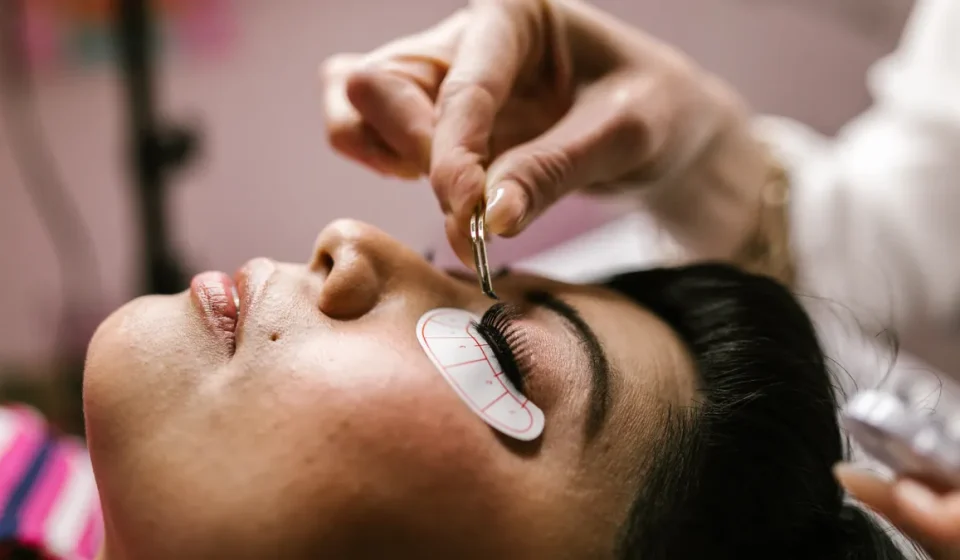
A normal visit starts with a brief consultation about style, length, curl, and any eye sensitivity. The lashes are then cleaned and isolated. Pads or tape may be used to hold the lower lashes down. The application itself can take around 1.5 to 2.5 hours for a full set, while fills are usually shorter. If a set is advertised as a full appointment in 45 minutes, that usually signals a very light service or very limited isolation.
Aftercare is not glamorous, but it decides retention. Clean the lashes with a lash-safe cleanser, not just water splashed across the face. Avoid oil-based removers around the eye area, since oils can weaken the adhesive bond. Do not rub or pick at lashes. Sleep on a clean pillowcase and avoid burying your face into the pillow if possible. If a lash is twisted or itchy, do not pull it off at home; that risks taking the natural lash with it.
There is a trade-off here that many first-timers miss. Extensions can simplify morning makeup, but they create a new maintenance routine. If you dislike routine care, you may resent them after the initial novelty fades. If you like polished grooming but hate mascara smudging, the maintenance is usually worth it.
The first 24 to 48 hours are the period when patience pays off most. Modern adhesives may cure quickly, but careful handling in the early phase still helps protect the bond and keep the set looking fuller for longer.
What are the real risks, and who should skip them?
Eyelash extensions are not for everyone, and that is not a minor footnote. They are a poor choice for anyone with active eye infection, significant eye-rubbing habits, uncontrolled blepharitis, or a known sensitivity to cyanoacrylate adhesives unless a qualified eye-care professional says otherwise.
The main risks are irritation, allergic or sensitivity reactions, lash breakage from excessive weight, and infection when hygiene is poor. The eye area is unforgiving. If adhesive gets into the eye, if pads are placed badly, or if tools are reused without proper sanitation, discomfort can become more than cosmetic. The FDA and eye-care organizations regularly caution that cosmetics near the eye should be used carefully, especially when the skin barrier is already compromised. Mayo Clinic
A subtle but important risk is repeated misuse. Extensions do not automatically ruin natural lashes, but poor mapping, too much weight, rough removal, and constant picking can leave lashes shorter and sparser. That is why “gentle removal” is not optional language. A professional remover or a qualified removal process is the safer route than home tugging.
Who should skip them? Anyone who wants zero upkeep, anyone with very fragile or sparse natural lashes that cannot support extensions well, and anyone who reacts strongly to adhesives or eye cosmetics. A lash lift, mascara, or temporary cluster lashes may be better for those cases. If a person wears contact lenses and has recurring irritation, that also deserves caution and, if needed, a professional eye-health opinion.
The wrong sales pitch is that extensions are harmless because they are “just cosmetic.” They are cosmetic, yes, but they live on the eye line. That is not the same thing as a necklace or a nail polish formula. The location raises the stakes.
The honest side-by-side in Eyelash Extension Fundamentals
Classic wins when natural-looking enhancement matters more than density; volume wins when fullness is the priority. The comparison below is the most practical way to choose.
| Criteria | Classic Lashes | Volume Lashes | Winner for this condition |
|---|---|---|---|
| Overall look | Soft, natural, separated | Denser, fluffier, more styled | Classic for subtle wear; volume for dramatic fullness |
| Best for sparse natural lashes | Can look light if lash count is low | Builds the appearance of fullness more effectively | Volume |
| Best for first-timers | Easier to adapt to visually | Can feel like a bigger change | Classic |
| Maintenance tolerance | Moderate fills still needed every 2–3 weeks | Also needs fills, with more visible shedding if mapping is dense | Classic for lower visual maintenance |
| Weight on natural lashes | Usually lighter per attachment | Requires careful fan design to avoid overload | Classic |
| Photo-ready impact | Polished but restrained | Stronger in photos and evening makeup | Volume |
| Wear with glasses | Often more comfortable if kept moderate in length | Can touch lenses or glasses if overly long | Classic |
| Risk of looking overdone | Lower when length is moderate | Higher if the curl or density is too aggressive | Classic |
| Best use case | Office-friendly enhancement, everyday polish | Bold, full lash line, makeup-forward looks | Depends on goal |
The table does not mean classic is “better” and volume is “worse.” It means the best choice depends on what you want the lashes to do. If you need a low-key enhancement that survives daily life without looking obvious, classic is the safer bet. If you want a more obvious lash line and your natural lashes can support it, volume earns its place.
The overlooked point is that both choices still require good isolation, proper weight management, and regular fills. A bad volume set is worse than a good classic set. Technique matters more than category.
What should you ask before booking?
You should ask about sanitation, adhesive, mapping style, removal process, and the exact look the appointment is meant to create. Those five questions reveal far more than a portfolio photo does.
Ask what adhesive is used and whether the room conditions affect cure time. Ask how tools are disinfected between clients. Ask whether the person does classic, hybrid, and volume mapping regularly or mostly one type. Ask what happens if you react or want them removed. Ask how they choose lash length and diameter based on natural lash strength, not just preference.
A good answer sounds specific, not salesy. It should include the style names, the expected appointment length, and the maintenance schedule. If the response is vague — “don’t worry, they work on everyone” — that is a strong reason to keep looking.
You should also ask what the listing does not say. Many menus list “full set” and “fill,” but they do not explain whether a fill requires a minimum percentage of extensions remaining. Some require a full set after a certain amount of time or after too much shedding. Knowing the policy ahead of time helps prevent surprise charges and scheduling frustration.
This is also where a professional consultation matters. For anyone with dry eyes, prior irritation, or a history of cosmetic reactions, a conversation with an eye-care professional may be wise before booking. That is not overcautious; it is the right level of caution for a service attached to the eye line.
Which eyelash extension choice should you make?
Choose classic if you want the most natural daily look, have decent natural lash density, or wear glasses and want a lighter, cleaner finish. Choose volume if you want obvious fullness, wear more makeup, or need the lash line itself to do more of the visual work. Neither if you have active eye irritation, very fragile lashes, or no interest in fills, cleansing, and careful removal.
The recommendation is simple because the trade-off is simple. Classic wins on restraint and lower visual weight. Volume wins on impact and density. Hybrid belongs in the middle for people who want more than classic but less than full volume.
If you are still undecided, default to the lighter choice. The lighter set is easier to live with, easier to maintain, and easier to correct on the next refill. A dramatic set can always be built up later; a too-heavy set is harder to undo without waiting for shedding or paying for removal.
The wrong reason to choose is social pressure. A set that looks impressive in a single photo can be annoying in daylight, uncomfortable with glasses, or too high-maintenance for a normal week. The right choice is the one that fits your face and routine on an ordinary Tuesday, not just at a special event.
When to reconsider the whole idea
You should reconsider extensions entirely if your main goal is low maintenance, if your eyes are prone to irritation, or if you want a temporary look only for one event. In those situations, a lash lift, tinted mascara, or strip lashes may be the better tool.
Reconsider them too if your natural lashes are already weak from overuse, overcleansing, or habitual rubbing. Extensions are not a repair treatment. They can work beautifully on healthy lashes, but they are not a fix for lash damage. If the natural lash line needs a rest, forcing a set onto it is the wrong move.
A final reason to pause is budget realism. A first full set plus ongoing fills is a recurring beauty expense, and prices vary by region, experience level, and style. Because the total cost is ongoing rather than one-time, the real question is whether you want this as part of your routine for months, not just one appointment.
That is the cleanest way to think about eyelash extension fundamentals: a style choice, a maintenance choice, and a safety choice. When those three line up, extensions can be exactly the right answer. When they do not, skipping them is the smarter decision.
Drafted with AI; not yet reviewed by a person.