Eyelash Extension Costs: What Changes the Price of a Full Set and Fill

Last updated: October 23, 2026
Key Takeaways
- Pricing mostly reflects technician time and skill, not the lash fibers themselves.
- A full set usually costs more than a fill because it takes the most time and the most hands-on work.
- A fill costs less than a full set because it replaces shed lashes instead of rebuilding the whole set.
- Volume lashes often cost more than classic lashes because they take more skill, more time, and more precision.
Eyelash extension costs vary because a full set, a lash fill, and the style you pick do different amounts of work in different salons. Quick answer: classic lashes usually sit at the lower end, volume lashes cost more, fills cost less than a full set, and location and technician time can move the total up or down. Eyelash Extension Costs: What Affects the Price of a Full Set and Fill is the main question here, and this guide explains it in plain language.
The price of eyelash extension pricing in plain language
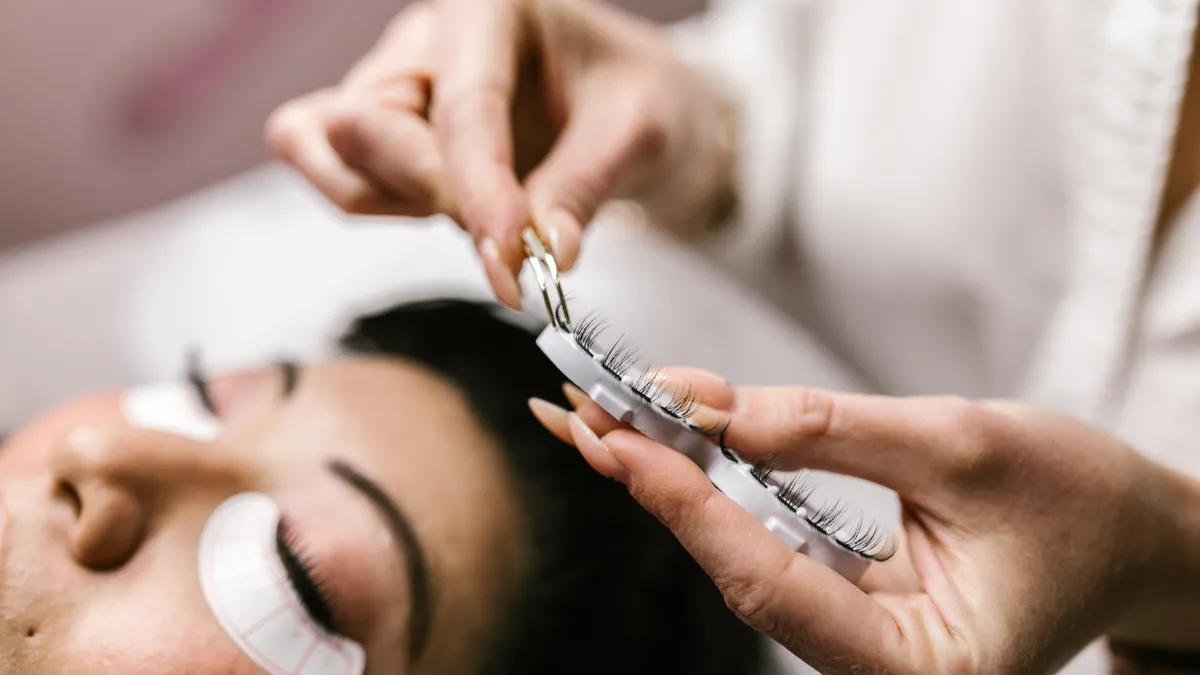
Eyelash extension costs are mostly a labor price, not a materials price. A salon charges for the technician’s time, the skill needed to isolate natural lashes, the style you choose, and the overhead of the space. For service timing and aftercare basics, the American Academy of Ophthalmology and the U.S. Food and Drug Administration both note that lash extensions require careful application and maintenance. AAO FDA
A full set is the first appointment, when a technician applies extensions to as many healthy natural lashes as your lash line can support. A lash fill is the maintenance visit, usually booked every 2 to 3 weeks, to replace extensions that have shed naturally and keep the set looking even. That difference matters because a fill takes less time than a full set, so it should cost less.
The biggest mistake people make is comparing salon menus as if one number covers everything. One salon may quote a base price for classic lashes and charge more for an advanced curl, a thicker fan, or a foreign fill. Another may bundle more into the listed rate. If two prices look far apart, compare what is actually included before deciding one is expensive and the other is cheap.
This page is meant to help you read the price sheet, not pick the salon. If you need that next step, the hub on how to choose an eyelash extension salon belongs beside this guide, because price only makes sense once you know the service is being done well.
How much does a full set usually cost?
A full set usually costs more than a fill because it takes the most time and the most hands-on work.
The exact number depends on the style on the menu. Classic lashes are generally the simplest option: one extension is applied to one natural lash, so the set is lighter and the appointment is usually shorter. Volume lashes cost more because the technician makes and places a fan of multiple fine extensions onto one natural lash. Hybrid sets sit between the two because they combine classic and volume placement.
A salon also prices by appointment length. A classic full set may be booked in a shorter slot than a volume full set, and the longer slot usually costs more. That is not just about vanity. More lashes, more mapping, and more precise placement require more chair time.
Another factor is how much of your natural lash line can be built. If your lashes are sparse, the technician may need more time to create a balanced look. If your lashes are dense and healthy, the work may go faster. Either way, the quote is tied to the amount of work, not just the final appearance.
A full set is the wrong purchase if you expect one visit to last for months without upkeep. The appointment creates the base. The maintenance visits protect it.
What makes a lash fill cheaper or more expensive?
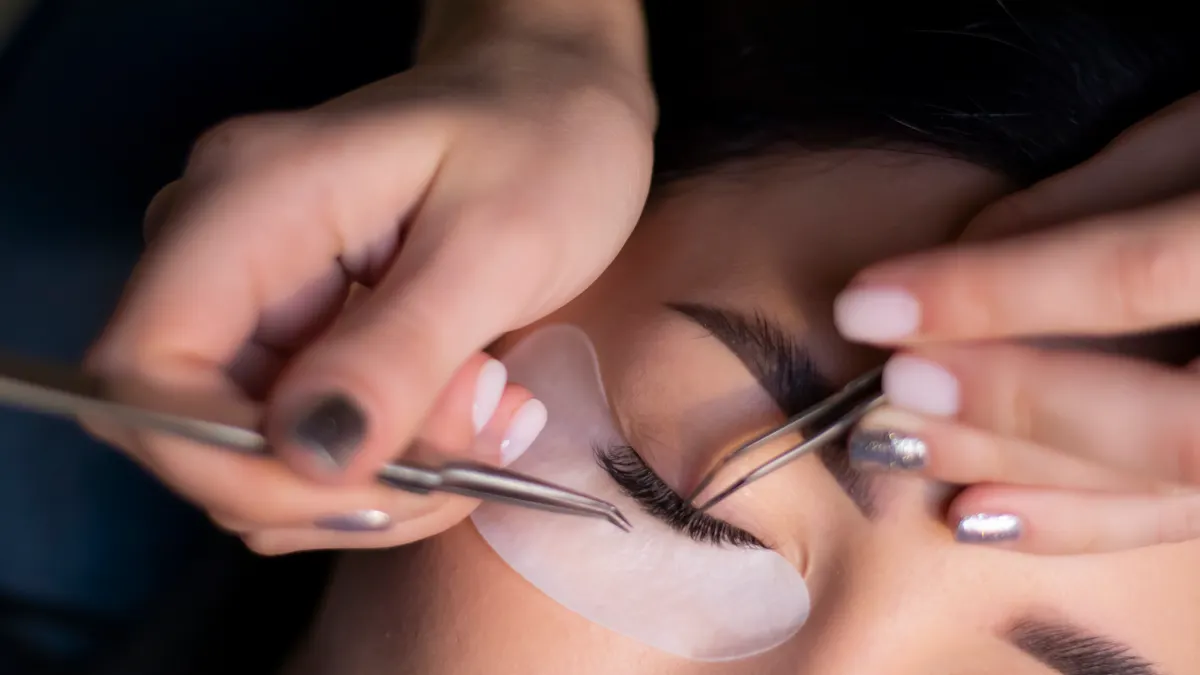
A lash fill is cheaper than a full set because it replaces lost lashes instead of rebuilding the whole set.
Most fills are priced around the time they take. A 30-minute fill is not the same service as a 90-minute fill. If the salon expects a quick touch-up, the cost is lower. If you come in late and the technician has to rebuild large gaps, the cost rises because the appointment starts looking more like a partial full set.
The time since your last visit matters. Many salons set a fill window, often around 2 to 3 weeks. If you come back after a longer gap, you may no longer qualify for the regular fill price and may be charged for a longer service or a new set. That is one of the least obvious cost drivers, and it is easy to miss when you read a menu too quickly.
What a fill includes also changes the price. Some salons only fill work done by their own technician. Some accept outside work but charge extra because they have to assess the bond, curl, diameter, and placement pattern before starting. That is often called a foreign fill, and it is usually priced differently from a standard fill.
The fill is the place where price and maintenance habits meet. A client who keeps a regular schedule usually pays less over time than someone who keeps stretching appointments until the set has thinned out.
Which style choices change the cost the most?
Volume lashes usually cost more than classic lashes because they take more skill, more time, and more precision.
Classic lashes are the simplest style to understand and the easiest to quote. One extension goes on one natural lash. The result is clean and defined without a dense fan effect. Because the method is straightforward, classic sets and classic fills often sit at the lower end of a salon’s menu.
Volume lashes are different. Instead of one extension per natural lash, the technician places a hand-made or pre-made fan of ultra-fine extensions. That takes more work and a steadier hand. A volume set can also use more product and more chair time, which pushes the price up.
Hybrid sets usually cost between classic and volume because they combine both. If a salon offers “mega volume,” “wet look,” or other specialty styles, expect the price to move again because those looks require a different technique, denser fans, or a more exact design plan.
Thickness, curl, and lash length can also affect cost, though the menu may not spell that out. A dramatic style is not automatically “better,” just more labor-intensive. If you want a natural result, you usually pay less than someone asking for a fuller, darker, more dramatic line.
The honest trade-off is simple: lower-cost classic lashes give you a softer finish, while higher-cost volume lashes give you more density and more upkeep.
How location changes what a salon charges
A salon in a high-rent area usually charges more than a salon in a lower-cost neighborhood.
That is not a lash-specific trick; it is overhead. Rent, staffing, insurance, laundry, and product costs all sit behind the quote. A downtown salon or one in a busy shopping district may need higher pricing just to cover the room it occupies. A smaller studio in a lower-cost area may charge less for the same style.
Local demand also matters. If a market has many trained lash technicians and several salons competing for the same client base, prices can stay tighter. If the salon is one of the few places offering advanced lash work nearby, the menu may be higher because clients have fewer substitutes.
You may also see price differences inside the same city based on neighborhood, parking, and appointment availability. Evening and weekend slots are often the hardest to book, and that scheduling pressure can show up in the price. Some salons keep one rate all week; others build peak-time demand into the menu.
This is why a low price is not automatically a bargain and a high price is not automatically inflated. The better question is whether the quote matches the market, the service length, and the style on the menu. That is also why a single city average is less useful than the actual service description printed by the salon.
What maintenance costs should you budget for?
Maintenance costs matter because the first appointment is only the start.
If you wear lash extensions regularly, you are usually budgeting for a full set plus recurring fills. A fill every 2 to 3 weeks is common enough to plan around, but the exact schedule depends on your natural shedding pattern and how full you want the set to look. The more often you maintain it, the steadier the appearance; the less often you go, the more likely the service shifts from a fill to a larger rebuild.
There can also be small add-on costs. A salon may charge more for a longer fill, a foreign fill, a removal-and-reapply service, or a specialty style change. Some salons also price lash baths, sealants, or aftercare kits separately, though those items are not always bundled into the extension ticket itself. If you are comparing prices, separate the service price from the retail add-ons.
Here is a practical way to think about the budget:
- Ask for the menu price for a full set in the style you want, such as classic lashes or volume lashes.
- Ask what a standard fill costs and how many weeks it covers.
- Ask whether there is a different price for fills done on another salon’s work.
- Ask whether the quoted total includes tax, add-ons, or only the base service.
- Compare the total cost over 1 full set plus 2 fills, not just the first visit.
That last step matters because a low full set price can still lead to a higher routine if fills are priced high or the salon books short fill windows.
What a price quote should tell you before you book
A useful quote tells you the style, the time, and the maintenance rules, not just one number.
A quote for eyelash extension costs should say whether you are being priced for a full set or a fill, whether the style is classic lashes, hybrid, or volume lashes, and whether the price changes if the set was started somewhere else. It should also make clear if the service is booked by time, by lash count, or by style level.
The cleanest price menu is the one that leaves the fewest surprises. If the quote says “full set” but not the style, that is too vague. If it says “fill” but does not say how many weeks qualify, that is also incomplete. A fair menu makes it easy to compare salon-to-salon without decoding the fine print.
One thing to watch for is the service that sounds cheaper than it is because the appointment is too short for the look you want. A low number on the menu can hide a bare-bones service, a strict fill window, or a surcharge for anything outside the standard pattern. That is not a reason to avoid lower-priced salons. It is a reason to read the menu like a contract, not a slogan.
If you want the best use of your money, start by comparing full set price, fill price, fill window, and style. Those four pieces explain most of what moves eyelash extension costs up or down.
Why do eyelash extensions cost so much?
They cost so much because the service is slow, detailed, and skill-based. A full set can take a long appointment, and the technician is placing individual extensions or fans by hand while isolating natural lashes. You are paying for precision and time, not just for the lash fibers themselves. For broader cosmetic safety guidance, the FDA and AAO both advise careful product choice and professional application. FDA AAO
What is included in a lash fill?
A lash fill includes replacing extensions that have shed naturally and filling visible gaps in the set. The first sentence is the key one: it is maintenance, not a full rebuild. Many salons set a time limit, often around 2 to 3 weeks, and may charge more if the work has grown out too far.
Are volume lashes more expensive than classic lashes?
Yes, volume lashes are usually more expensive than classic lashes. The difference comes from the extra skill and time needed to make and place fans of multiple fine extensions. Classic lashes use one extension per natural lash, so they are simpler to apply and usually sit at the lower end of the menu.
Drafted with AI; not yet reviewed by a person.