
Last updated: October 20, 2026
Quick answer: the best eyelash extensions for your eye shape are the ones matched to the lid, crease, and outer corner, not one universal style. A good lash map changes curl, length, and placement so hooded eyes open up, almond eyes stay balanced, round eyes soften, and downturned eyes lift at the outer corner without dragging the lid down.
Key takeaways
- Eye shape lash mapping is the real decision, not one universal lash style.
- Hooded eyes usually need stronger curl and careful length placement so the lashes do not disappear under the lid.
- Almond eyes have the most room for variation, but the wrong outer-corner length can make them look sleepy.
- Round eyes often look best with a softer, stretched map rather than a doll-eye peak.
- Downturned eyes usually benefit from a subtle lift that avoids heavy outer corners.
- If an artist cannot explain their lash map in plain language, that is a warning sign.
A note on scope: this is an informational guide about the best eyelash extensions for your eye shape, not a salon review or a deep dive into classic, hybrid, or volume sets. It is about matching extensions to eye shape, because that is the decision most people actually need to make before a fill appointment or a new set. If you still need the broader selection process, the separate guide to choosing an eyelash extension salon belongs on the next tab, not this one.
What eye shape lash mapping actually does
Eye shape lash mapping places different lengths and curls across the lash line so the final shape works with the lid, not against it. The point is not to make every eye look the same; it is to move the visual focus where the eye already wants to go.
A lash map usually uses 2 to 5 length zones across one eye, often with shorter lashes at the inner corner, a controlled rise through the middle, and a finish that either extends, lifts, or rounds the eye depending on the goal. That might mean 8 mm to 13 mm lengths in a single set, but the exact range depends on natural lash strength and the artist’s styling plan.
This matters because the same “pretty” pattern can fail on different eyes. A long, straight outer corner can flatten hooded eyes. A dramatic center spike can make round eyes look even rounder. A heavy cat-eye can drag down already downturned eyes. Eye shape lash mapping helps avoid those mismatches by treating the eye like a layout problem, and the safest version is to review the plan with a trained lash artist before application. The American Academy of Ophthalmology has general guidance on lash and eye safety if you want a reputable source to sanity-check the basics, and many lash education brands publish mapping charts, though quality varies.
The term of art to ask for is the lash map, not just “natural” or “dramatic.” Those words are too vague. A useful lash map names where the longest lashes sit, how the curls shift, and whether the set is meant to open, elongate, or lift the eye. The American Academy of Ophthalmology also provides general eye-safety guidance, which is useful when you are comparing salon advice with medical basics.
How do lash artists map eye shape?
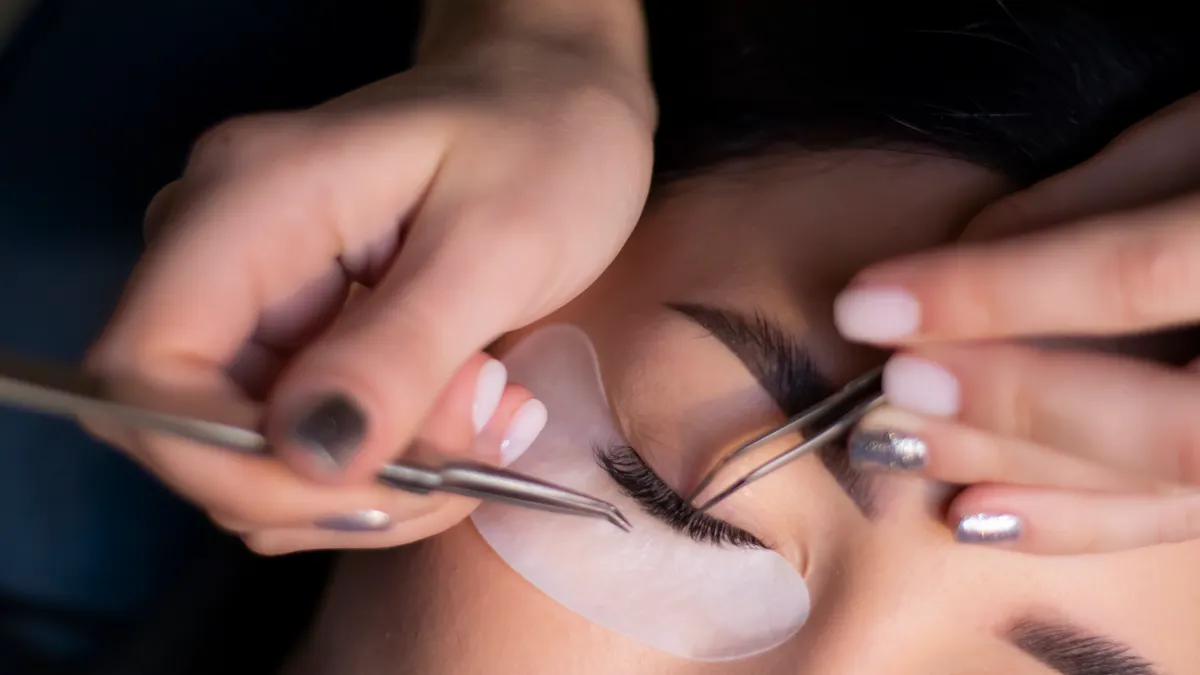
Lash artists map eye shape by comparing the lid, the crease, and the outer corner, then placing the longest lashes where they will improve balance instead of overpowering the eye. The process is visual first, then measured.
A simple mapping process usually looks like this:
-
Look at the eye with the lid relaxed.
Stand or sit upright in natural light or bright white light, with the eyes open and then gently closed. The result is a clear read on whether the lid folds over the lash line, whether the outer corner tilts up or down, and where the eye appears widest. -
Mark the lash line into zones.
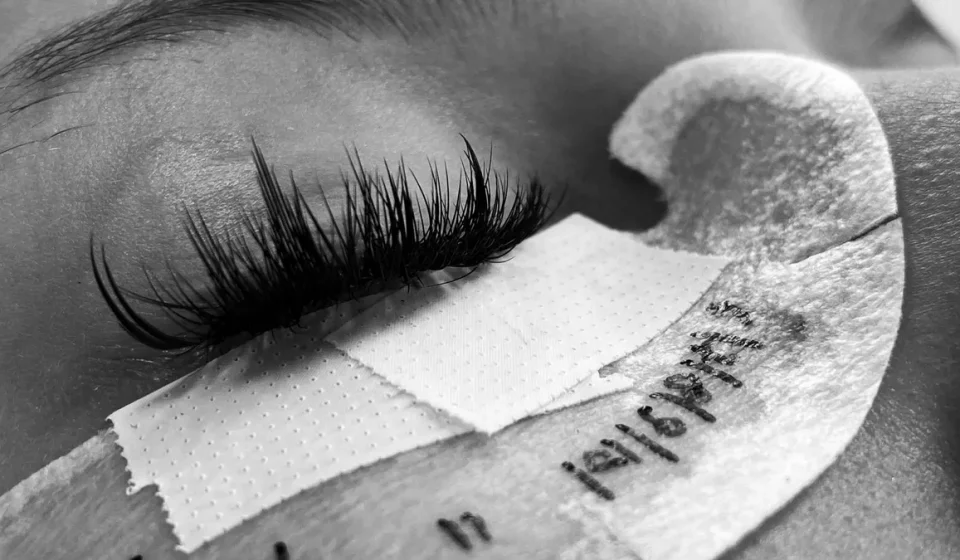
Most artists divide the eye into 4 to 6 sections using tape or their training map. The result is a plan that lets them place 2 mm differences deliberately instead of guessing by sight. -
Choose the shape goal before the length.
Decide whether the set should lift, elongate, soften, or open the eye. The result is that curl and placement support one goal instead of competing with each other. -
Adjust for natural lash strength.
Stronger natural lashes can usually support a more noticeable extension plan than fine lashes can. The result is a safer, better-looking set that is less likely to twist or shed unevenly. -
Refine the outer corners last.
The outer 25% of the eye is where mapping errors often show first. The result is fewer “dragged down” corners and fewer sets that look too heavy by day 10.
A decent lash map should be explainable in one sentence. “Shorter in the inner corner, longest just past the middle, then a soft taper” is useful. “I just do what looks good” is not. That sentence tells you nothing about eye shape and usually means the artist is relying on one house style for every face.
Best eyelash extensions for hooded eyes
Hooded eyes usually look best with a lifted lash map, stronger curl, and moderate lengths that stay visible above the lid fold. The goal is to keep the lash line seen when the eye is open.
For hooded eyes, the most useful choices are usually curls with more lift, such as C or D curls, because the lid can hide a flat lash when the eye opens. A common map places shorter lengths in the inner corner, rises through the center, and keeps the longest lashes slightly forward of the outer edge. That avoids the problem of a long outer tail disappearing into the hood.
A hooded eye often looks better with a peak near the center or just after the center rather than with the longest lashes at the outermost corner. That gives the eye a more open look. A very long cat-eye can vanish under the lid crease and make the lash line seem thinner, not fuller.
The limitation is clear: hooded eyes are not the place for oversized, ultra-long outer corners. Those can catch on the lid, feel heavy, and create a droop effect when the eye is open. If the natural lashes are fine or sparse, a dense map can also crowd the lid and make the set look busier than intended.
Who this is not for: anyone who wants a dramatic side-swept look with maximum outer length and no lift. On hooded eyes, that style often reads as hidden rather than glamorous. A better brief is “make my eyes look more open,” not “make the outer corner as long as possible.”
Best eyelash extensions for almond eyes
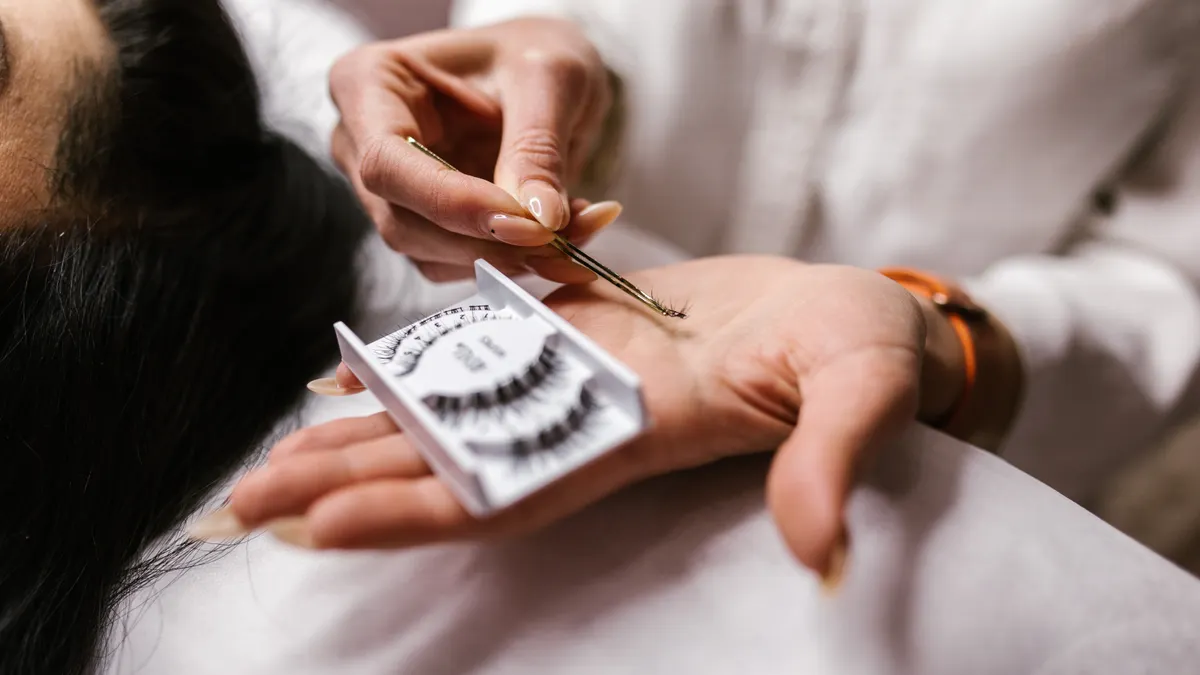
Almond eyes are the most flexible shape for lash mapping, but they still need a plan that avoids overextending the outer corner. The most reliable result comes from balancing the natural symmetry instead of pushing one dramatic shape too hard.
Because almond eyes already have a tapered outer corner and a balanced lid, they can handle several maps. A soft cat-eye, a natural open-eye map, or a lightly graduated doll-eye can all work. The trick is restraint. Too much length at the very end can stretch the eye into a narrow slant. Too much center length can make the eye look rounder than it is.
For almond eyes, the most useful question is what should change: width, lift, or fullness. If the eye already has a nice tilt, a subtle enhancement with lengths in the mid-range often looks cleaner than a high-drama map. If the eyes sit close together, shifting the longest point slightly outward can create balance. If the eyes are slightly deep-set, a little more curl can keep the extensions visible.
This shape is the easiest to over-style because it can “take” almost anything. That is the downside. An artist can get lazy and default to a generic long cat-eye simply because it works often enough. The result may be pretty but not tailored. A better almond-eye lash map changes only one or two variables at once.
Who this is not for: someone chasing a very specific editorial shape with no regard for day-to-day wear. Almond eyes can wear a lot, but the face around them still sets the limit. If the brows are low or the lids are compact, a very tall lash map can crowd the upper face.
Best eyelash extensions for round eyes
Round eyes usually look best with a soft elongating map that avoids a centered peak and avoids making the iris look more exposed. The goal is to stretch the eye horizontally without turning it harsh.
A round eye already shows a lot of visible iris, so a doll-eye map with the longest lashes in the center can increase that roundness. That can be cute on some faces, but it is not the most flattering default. A better choice is often a soft cat-eye or a gentle squirrel-style map, with the longest lashes placed slightly past the midpoint and then tapered toward the outer corner.
Curl matters here because round eyes can look startled if the extensions are too open and too long at the center. A moderate curl can frame the eye without exaggerating the white around the iris. The artist should keep the inner corner lighter and avoid an abrupt jump in length near the middle; that kind of step can make the eye look wider, not smoother.
One practical rule: if the eye already reads large and open at a glance, do not make the longest point dead center unless that is the explicit style goal. The more useful move is a controlled sweep outward with lengths that do not spike suddenly. That gives round eyes shape without turning them cartoonish.
Who this is not for: someone who wants the widest, most open eye possible at all costs. That brief can backfire on round eyes and make them look overexposed. If softness is the goal, the map should create balance first and drama second.
Best eyelash extensions for downturned eyes
Downturned eyes usually benefit from a lifted outer third and a map that avoids heavy weight on the very end of the lash line. The right set makes the eye look brighter, not weighed down.
The common mistake with downturned eyes is a classic cat-eye that gets longest exactly where the outer corner already slopes down. That can visually pull the lid lower. A better plan often moves the longest point slightly before the outer corner, then tapers the last section so the eye finishes light. A soft squirrel map can work especially well because it gives lift without a hard edge.
Curl helps here too. A stronger curl at the outer half can create the sense of lift, but only if the lashes are not so long that they flop or cast shadow. In many cases, a mid-length set with smart placement beats a dramatic set with poor placement. The eye shape does not need more weight; it needs a cleaner line.
If the goal is to make the eye appear more upward at the corners, tell the artist exactly that. “Lift my outer corners without making them heavy” is more useful than “I want cat-eye.” Those are not the same thing. One is a result; the other is just a styling label.
Who this is not for: anyone attached to a long, heavy outer-corner look. On downturned eyes, that style often works against the face. It can also make the set feel tiresome to wear because the outer ends are the first place gravity shows.
Common lash map mistakes that ruin the result
The biggest lash mapping mistakes are choosing the wrong longest point, using too much length for the natural lash, and copying a trend without checking the eye shape first. Each one changes the face in a way that is easy to spot and hard to ignore.
A few problems come up again and again:
-
Longest lashes placed in the wrong zone.
Cost: hooded eyes disappear, round eyes get bigger instead of softer, and downturned eyes look lower.
Better move: choose the longest point based on lift or elongation, not habit. -
Outer corners made too heavy.
Cost: the eye looks tired or droopy by the end of the lash line.
Better move: taper the final section and keep the outer corner lighter. -
One curl used across the whole eye without adjustment.
Cost: the lash line can look flat in one area and too steep in another.
Better move: vary curl or length by zone so the map follows the lid. -
Going too long too fast.
Cost: the set can overpower the face and strain weaker natural lashes.
Better move: keep the jump between zones controlled, often in 1 mm to 2 mm steps.
A good lash map is subtle in the middle and precise at the edges. That is what makes it look custom instead of stamped on. If you are shown a single generic picture and told it works for every eye shape, that is the wrong service mindset for this topic.
If you need the broader criteria for picking a technician, use the separate guide to choosing an eyelash extension salon. That page handles salon selection. This one is about what the artist should do once you are in the chair.
What to ask before your appointment
You should ask for the lash map in plain language before the appointment begins, and you should ask how that map fits your eye shape. Those two questions keep the conversation focused on shape, not on vague style labels.
A useful pre-appointment checklist looks like this:
- Ask what shape the artist sees: hooded, almond, round, or downturned.
- Ask where the longest lashes will sit.
- Ask whether the set is meant to lift, elongate, or soften.
- Ask what curl they plan to use and why.
- Ask what the fallback plan is if your natural lashes are too fine for the first choice.
This is not about challenging the artist. It is about making sure the map matches the eye in front of them. A professional can usually explain the plan in under a minute. If the answer is full of buzzwords but light on placement, that is a sign to slow down.
The American Academy of Ophthalmology is a credible external source for general eye-safety guidance, and it is useful to keep that standard in mind when a lash plan sounds extreme. The Chartered Society of Physiotherapy is less directly relevant to lashes, but it is a useful model for clear client communication around body-specific services.
What lash style suits hooded eyes?
Hooded eyes usually suit a lifted lash map with a stronger curl and controlled length. The first sentence answer is simple: avoid a heavy outer-corner plan that disappears into the lid fold. A C or D curl often works better than a flat curl, and the longest point often sits just past the center rather than at the very end.
What eyelash extensions suit round eyes?
Round eyes usually suit a soft cat-eye or a gentle squirrel-style map. The first sentence answer is simple: avoid a centered peak if you want the eye to look less round. A lash map that places the longest lashes slightly past the midpoint can soften the iris exposure without making the eye look harsh.
Drafted with AI; not yet reviewed by a person.