
Last updated: October 31, 2026
Key Takeaways
- Back sleeping with a silk pillowcase usually reduces lash-line pressure and friction.
- Protect eyelash extensions by changing your position, pillow surface, and face coverage before bed.
- Pillow friction can bend fibers, loosen fans, and leave lashes uneven by morning.
- Yes, if the mask has enough room around the eyes and does not press on the lash line.
Eyelash extensions usually stay in better shape when you sleep on your back, keep them off rough pillow fabric, and avoid pressing a sleep mask directly onto them. This article explains how to sleep with eyelash extensions without bending them, and the goal is simple: reduce direct contact for 7 to 8 hours a night. If you wake up with bent, twisted, or stuck-together extensions, the problem is usually sleep position or pillow contact, not the lashes themselves.
The safest sleep setup for eyelash extensions
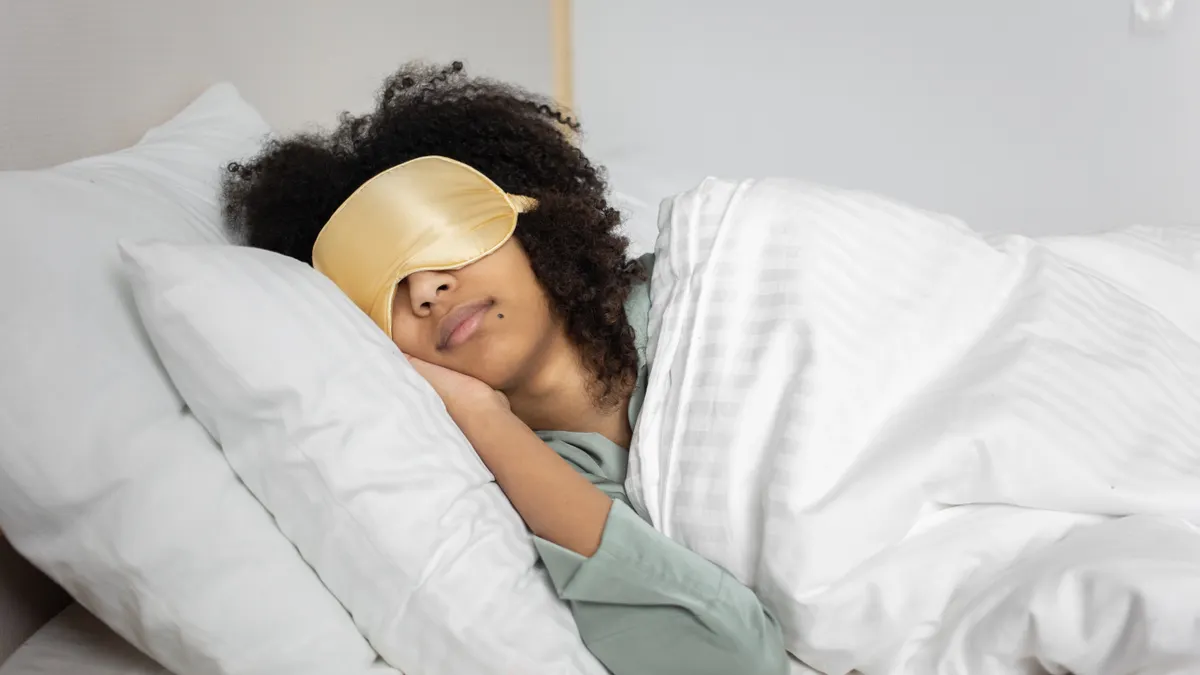
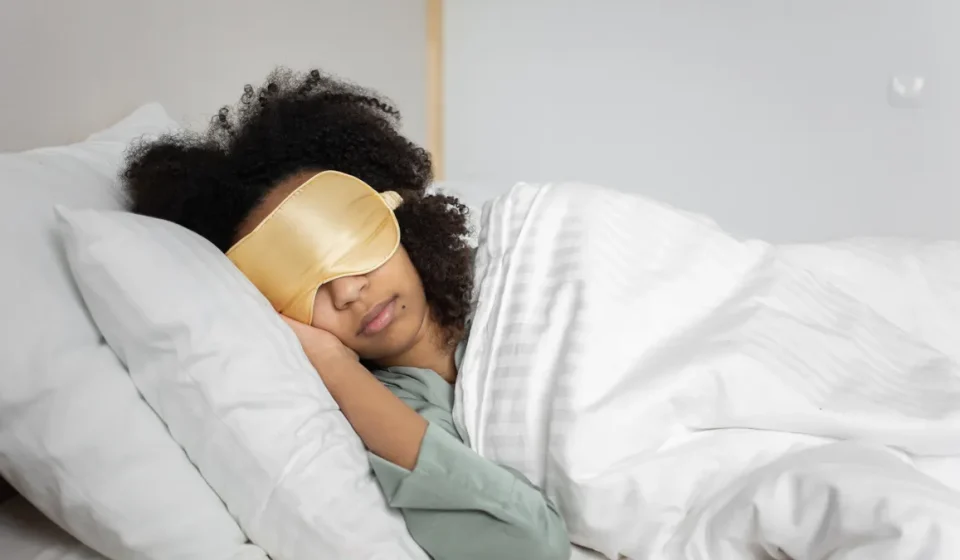
A back-sleeping setup with a silk pillowcase and no direct pressure on the lash line is a practical starting point. That combination reduces rubbing, folding, and heat trapped around the eyes, which are the main nighttime problems for eyelash extensions.
Start with the surface you sleep on. A silk pillowcase gives the lashes less grip than cotton, so the fibers are less likely to snag when you turn your head at night. A smooth sateen weave can help too, but silk is the simplest upgrade if the goal is less friction. If you tend to bury your face in the pillow, a U-shaped travel pillow or a memory-foam pillow with a center cutout can keep your face from being pressed flat into the mattress for 7 or 8 hours at a time.
The position matters just as much. Back sleeping keeps both eyes away from pillow contact, so the extension fan has room to keep its shape. Side sleeping is the next best option only if your face barely touches the pillow. Face-down sleeping creates direct pressure on the lashes, flattens them, and usually leaves one side more bent than the other by morning.
A sleep mask can help only if it is the right kind. Choose a contoured mask with eye cups, not a flat mask that sits directly on the lashes. A flat mask can crush the extensions into the lids for hours. If the mask presses on your lash line or makes your eyes water, it is the wrong mask for this job.
For lash aftercare basics, the lash extension aftercare hub is a useful next stop.
How to sleep with eyelash extensions step by step
How to sleep with eyelash extensions starts with changing your position, your pillow surface, and your face coverage before you fall asleep. The goal is simple: no squeeze, no drag, no rub.
- Set up a back-sleeping position before you get drowsy. Place one pillow under your head and, if needed, a second pillow under your knees so your body settles in place. The result to expect is a position that makes it easier to stay off your face for most of the night.
- Put a silk pillowcase on the pillow you actually use. If you sleep on two pillows, cover both. The result should be less snagging if your cheek or temple drifts onto the pillow edge during the night.
- Keep your face out of the center of the pillow. Leave a small gap between your lashes and the pillow surface instead of tucking your nose and eyes down into it. When this works, your extensions are not being flattened for long stretches.
- If you use a sleep mask, switch to a contoured one with raised eye cups. Adjust the strap so it stays secure without digging into the lash line, and check with your lash tech or other professional if you are unsure about fit. A good mask feels snug at the band and empty over the eyes.
- Place a lash brush on the nightstand so it is easy to reach in the morning. You should be able to brush through the lashes within 1 minute of waking, which helps separate any fans that shifted during sleep.
- Repeat the same routine every night. Consistency matters more than a perfect single night, because the damage usually comes from repeated friction over several hours.
If you are a restless sleeper, expect some compromise. A person who flips from back to side ten times a night is not going to make pillow contact disappear completely. In that case, the best target is reducing direct pressure most of the time, not chasing perfection.
What pillow friction does to eyelash extensions
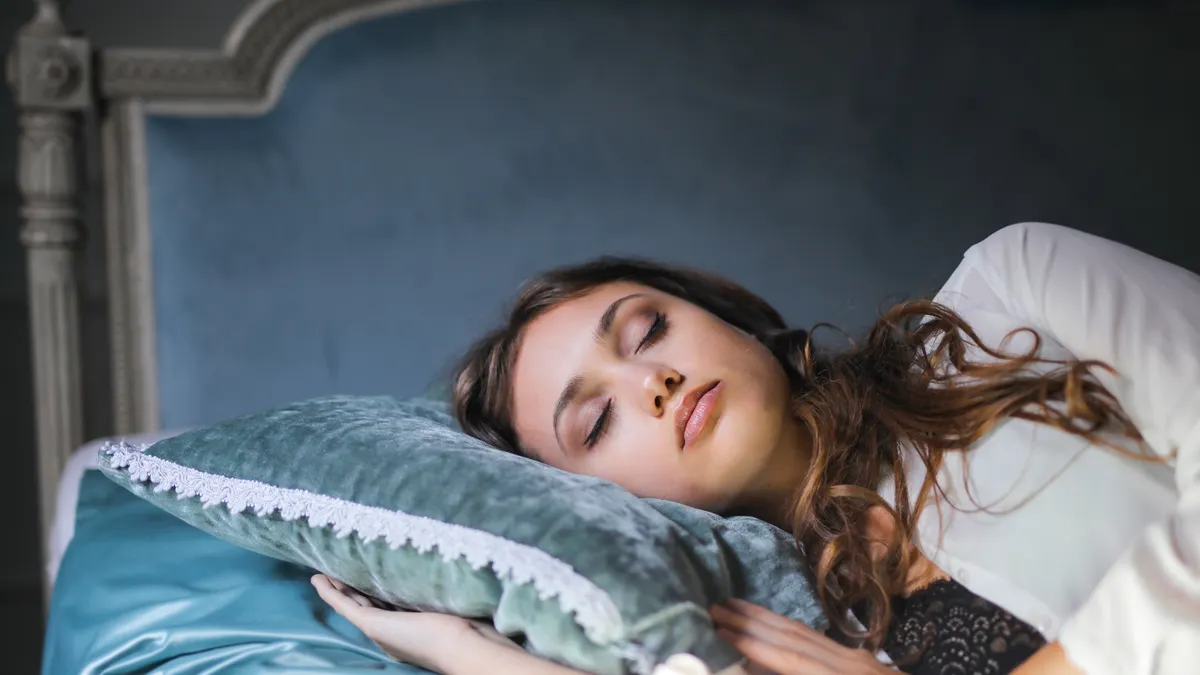
Pillow friction bends the extension fibers, loosens the arrangement of the fans, and can leave the lash line looking uneven by morning. The harm is mechanical, not dramatic: repeated rubbing over a 6- to 8-hour sleep window is what causes the mess, not one accidental turn.
Cotton is the usual troublemaker because it catches. A cotton pillowcase can grab the tips of the extensions when you rotate your head, especially if your lashes are longer or denser. Silk pillowcases are smoother, so they let the eye area glide more easily. That is why silk is the first fix people reach for when they want fewer bent corners and fewer twisted lashes.
Face-down sleeping creates the most friction because the lashes get compressed between the face and the pillow. Side sleeping creates a smaller but still real problem, especially if the eye closest to the pillow is pressed into the seam or edge of the pillowcase. Even when the contact feels minor, the effect can show up as one eye looking flatter than the other by morning.
The practical fix is to lower contact, not to chase a “perfect” pillow. A pillow with a lower loft can help if a tall pillow pushes your face deep into the fabric. Some people do better with a firm pillow that keeps the head stable; others need a softer one that does not collapse around the eye. The right choice is the one that keeps the lashes away from the pillow surface for most of the night.
If the extensions keep looking crooked after sleep, the likely cause is repeated pressure in the same spot. That usually means your sleep position needs changing more than your lash routine does.
Should you wear a sleep mask with eyelash extensions?
Yes, but only if the mask has enough space around the eyes and does not press on the lash line. A flat sleep mask can flatten extensions in the same way a pillow does, just with less movement and more constant pressure.
A contoured sleep mask is the safer option because it creates a cavity over each eye. That space helps keep the lashes from being crushed against the lid. The key detail is fit: if the mask rides too low, digs into the lash band, or leaves marks on the skin, it is too tight. A good mask should block light without touching the tips of the extensions.
Some people do better without any mask at all. That is the right choice if the mask causes sweating, shifts during the night, or makes the lash line feel cramped. Light sensitivity is not the same as lash safety. If you need darkness, use blackout curtains before you choose a mask that compresses the extensions.
The trade-off is simple. A sleep mask can protect your rest, but the wrong mask can cost you the neat shape of your lashes by morning. If you are choosing between a flat fabric mask and no mask, no mask is often the better call for eyelash extensions. If you want both darkness and lash protection, the contoured style is the one to try first.
For broader eye comfort advice, the American Academy of Ophthalmology has general guidance on protecting the eyes from pressure and irritation.
Morning lash care after you wake up
Morning care for eyelash extensions means checking for bends, separating the lashes gently, and avoiding the urge to pick at them. A lash brush is the main tool here, and it should take less than a minute to use.
Start by looking at the shape in the mirror before touching anything. If one side looks flattened, that usually means the lashes spent time against the pillow. A soft lash brush can lift the fibers back into place. Brush lightly from the middle toward the tips, not straight at the roots, so you do not drag the extensions on the lid.
If the lashes feel stuck together, do not force them apart with your fingers. That can pull at the extension bond and leave the lash line looking thinner. Instead, use the brush in short, gentle strokes. The goal is separation, not styling for volume.
This is also the moment to notice whether your sleep setup is working. If you wake up with bent lashes two or three mornings in a row, the problem is probably a sleep habit, a pillow, or a mask fit. Change one thing at a time so you can tell what helped. For example, switch from cotton to a silk pillowcase first, then try a contoured sleep mask only if needed. For more on protecting delicate eye-area skin, see the sleep mask guide.
Morning care does not replace proper lash maintenance. It just clears out the effects of a rough night so the extensions look closer to the way they did when you went to sleep.
Common sleep mistakes that damage eyelash extensions
The biggest mistake is sleeping face-down because it gives the lashes direct pressure for hours. That position costs you shape, symmetry, and often a smoother look the next day. The fix is to train yourself onto your back with a pillow setup that makes face-down sleeping awkward, not easy.
The next mistake is using a regular flat sleep mask. It costs you by pressing the lashes flat against the lid and sometimes twisting the tips. The fix is to use a contoured mask or skip the mask if the fit is wrong.
Another mistake is ignoring the pillowcase. A rough cotton case increases friction, especially if you move around in your sleep. The fix is a silk pillowcase or another very smooth fabric that lets the eye area slide instead of snagging.
A fourth mistake is brushing the lashes too hard in the morning. That can pull at the extension bond and make the line look patchy. The fix is a gentle lash brush with light strokes and no tugging.
The honest limit is that no sleep setup protects extensions perfectly if you are a heavy sleeper who buries the face in the pillow all night. In that case, the goal is damage reduction, not perfection. Back sleeping, low-friction fabric, and a good mask can help a lot, but they cannot override every movement.
For fuller care guidance beyond sleep, the lash extension aftercare hub is the next place to go. If you want a comparison of night accessories, the sleep mask guide covers fit and pressure in more detail.
The part most readers miss: your sleep routine matters more than one night
A 10-minute bedtime routine matters more than a single “good” night because friction adds up. Extensions usually look fine after one night of bad positioning; the real problem is repeated pressure across many nights in a row.
Build the routine the same way every evening. Move the pillow into place, set the silk case, and choose the sleep mask before you are half asleep. That timing matters because sleepy people default to old habits, including face-down sleeping and burying the face into the pillow. If you wait until you are exhausted, the routine falls apart.
This is also where restraint helps. Do not keep adjusting the lashes by hand during the night. Every extra touch adds oil and movement around the lash line, and that can make the extensions clump or shift. If you wake up and the lashes feel off, save the fix for morning and use the lash brush then.
A useful benchmark is simple: if you can lie down and keep your eyes off the pillow for most of the night, the setup is probably working. If you cannot, then the problem is not the lashes; it is the sleep arrangement. A silk pillowcase, back sleeping, and a contoured mask are the three changes most likely to make a visible difference without adding much effort. For related sleep support, the silk pillowcase guide explains why smoother fabric matters.
Is it bad to sleep on your side with lash extensions?
Side sleeping is not ideal, but it is usually better than face-down sleeping. The side closest to the pillow can still get bent or flattened, especially if the pillow is tall or rough. A silk pillowcase and a lower-pressure pillow can reduce the damage.
What pillow is best for eyelash extensions?
A silk-covered pillow is a simple choice because it creates less friction against the lashes. If you move a lot in your sleep, a pillow that keeps your head stable and does not push your face deep into the fabric can help too. The best pillow is the one that keeps your eyes from being pressed into the surface.
Do lash extensions get damaged while sleeping?
Yes, they can get bent, twisted, or flattened while you sleep. The main causes are pillow friction, face-down sleeping, and a mask that presses on the lash line. The damage is usually mechanical and gradual, which is why small nightly habits matter so much.
Drafted with AI; not yet reviewed by a person.