
Last updated: October 31, 2026
Quick Answer: eyelash extensions usually last longer when you protect the adhesive bond from oil, rubbing, steam, and pressure; a simple aftercare routine can help a set look fuller for the full 2 to 3 weeks between fills.
Lash retention is mostly about what happens after the appointment, not during it. If you are learning how to make eyelash extensions last longer, the usual culprits are simple: oil, rubbing, bad sleep habits, and makeup that is hard to remove without tugging. The fix is a routine that protects the adhesive bond instead of fighting it.
What makes eyelash extensions fall out early
Eyelash extensions last longer when the glue bond stays dry, clean, and undisturbed. That sounds obvious, but the biggest wear-time problems are usually everyday habits done on autopilot: sleeping face-down, rubbing watery eyes, using waterproof mascara, and cleaning the eye area with oily products.
The adhesive used in a lash set is designed to hold to a natural lash, not to survive constant friction, oil, and steam. That is why “good retention” is often less about adding more product and more about removing the small things that break the bond. A sleep mask pressed against the lashes for 6 hours can flatten and twist them. A creamy oil-based eye makeup remover can leave a film that weakens hold. Even a habit as small as wiping the inner corner of the eye with a shirt sleeve can shorten wear time over a 2-week fill cycle.
There is also a practical limit: natural lashes shed on their own. No routine stops that. The goal is to keep extensions attached to the natural lash for as much of that growth cycle as possible, so the set still looks full between fills.
If the problem is persistent, it is not always “bad care.” Humidity, skin type, eye shape, and the amount of oil near the lash line can all matter. That is why this page focuses on the habits a reader can change at home, not salon-side application technique. For a broader overview, the hub on lash extension aftercare should sit above this guide.
1. Start with a dry, oil-light routine after application
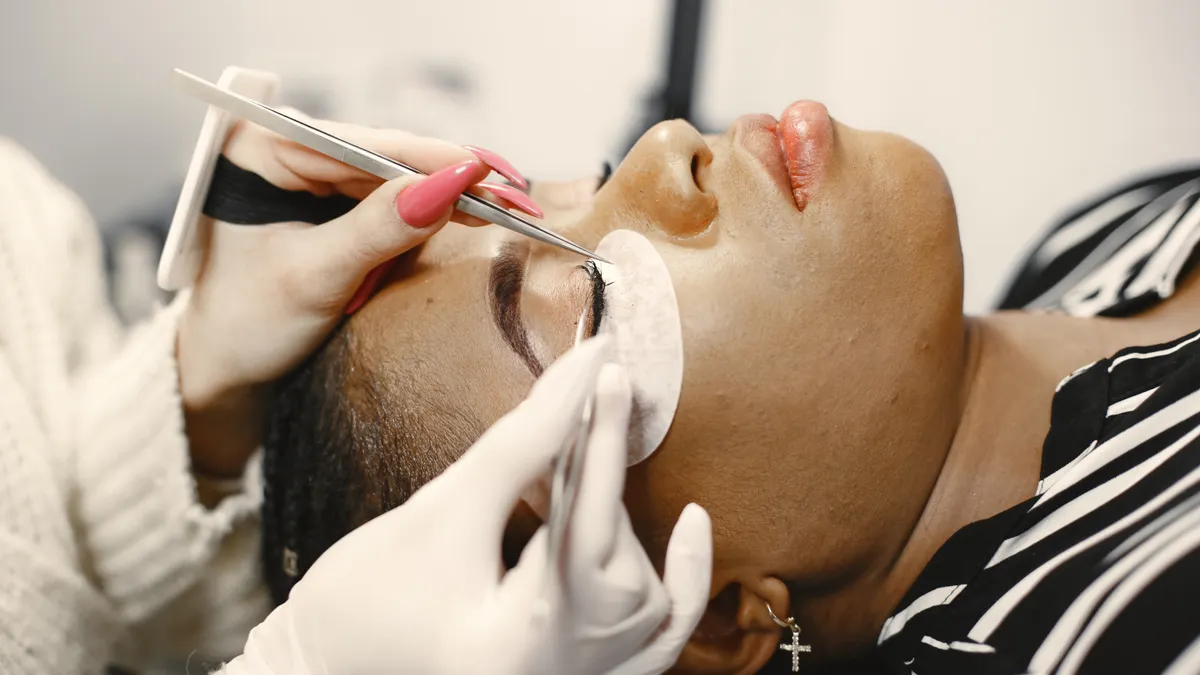
Begin by keeping the lash line as free from moisture and oil as possible for the first 24 hours unless the professional who applied the set gave different instructions. The reason is simple: the adhesive needs time to finish setting, and early water exposure, steam, or sweating can shorten the bond before it is fully settled.
A useful way to think about this step is “less touching, less dampness, less heat.” That means no hot yoga session, no long steam-heavy shower aimed directly at the face, and no oil-heavy skin care pushed up to the eyes. If the skin around the eyes is moisturized, keep creams at least a few millimeters below the lash line. A heavy eye cream right under the lashes may feel harmless, but it can migrate upward over the day.
This step is working when the lashes stay dark at the base, do not clump from moisture, and feel light rather than sticky. The set should still look separated and airy the next morning, not damp or collapsed. If the lashes seem to “stick together” after a shower, the issue is often heat or steam, not just water.
The trade-off here is convenience. A face-first skincare routine may feel more efficient, but it can cost retention. If the reader wants the set to last 2 to 3 weeks before a fill, this first habit matters more than any expensive product.
2. Stop oil from reaching the lash line
Keep oil away from the lash line by changing how you cleanse, moisturize, and remove makeup. Oil can shorten retention because it may weaken the adhesive bond over time.
This does not mean the entire face must become dry or stripped. It means being precise. Use an oil-free makeup remover around the eyes, and check the ingredient list on cleansers, balms, and micellar waters rather than assuming the label is safe. If a remover leaves a slick feel on the skin, it is the wrong choice for lash extensions. The same goes for rich eye creams, cleansing oils, and heavy sunscreen rubbed right up to the lash base.
A practical rule is to cleanse the eye area with a product made for extensions or one that is clearly oil-free, then keep everything else 1 cm or so away from the lash line. The result should be clean skin with no greasy residue at the roots of the lashes. If makeup slides off with a single gentle pass and the lashes still look fluffy, the routine is doing its job.
This is also where many generic guides get vague. They say “avoid oil,” but the real issue is repeated contact. A tiny amount once is not the same as daily exposure from a moisturizer, mascara remover, or serum that keeps creeping upward. The reader who wears sunscreen, concealer, or eye cream every day needs a clear boundary at the lash line, not a total ban on skin care. For product selection, the article on lash extension aftercare can support this routine.
3. Use makeup choices that do not fight lash retention
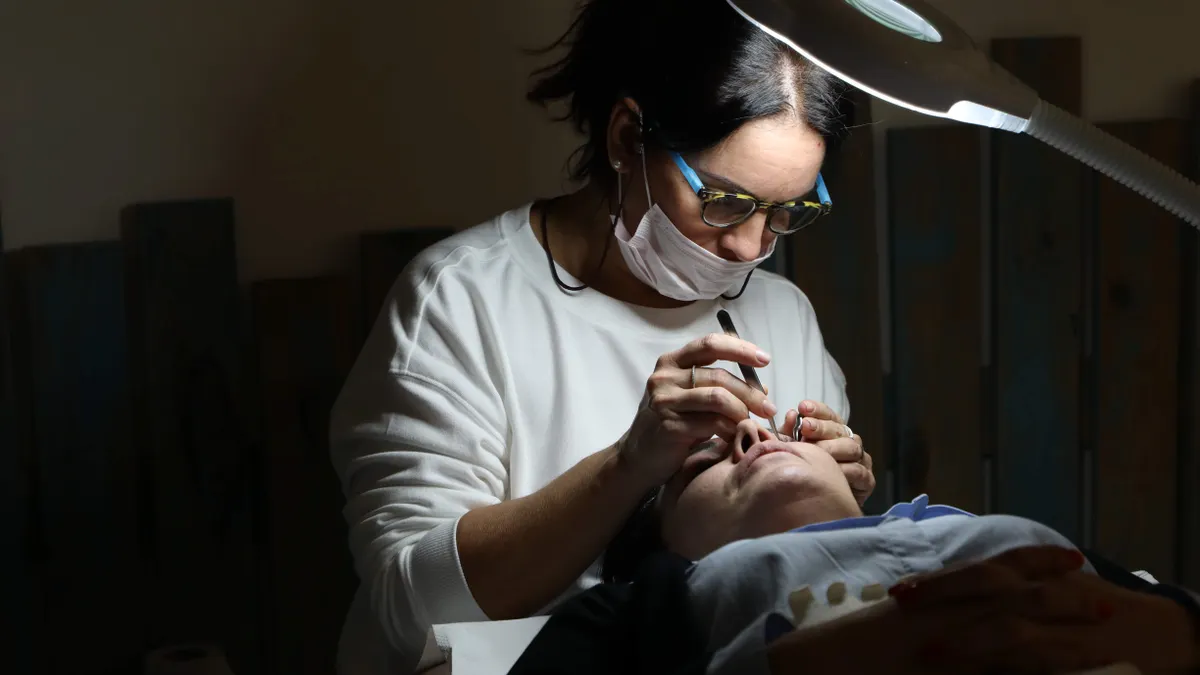
Choose makeup that comes off without rubbing, and skip waterproof mascara on extensions. Waterproof formulas are built to cling, which sounds useful until removal starts pulling at the natural lash. That tug is exactly what shortens retention.
If eye makeup is non-negotiable, keep it light. Powder shadow is easier to remove than heavy cream shadow. Lash-safe mascara, if used at all, should be applied only where the professional who fitted the lashes allows it, and never as a way to “fill in” a set that is already shedding. In many cases, the mascara ends up on the bond and creates more cleanup than it solves.
The best test is usually whether the makeup comes off with an oil-free makeup remover and minimal pressure. If the answer is no, it is probably the wrong product for lash extensions. A cotton pad that needs several passes, a waterproof liner that smudges into the roots, or a thick primer that cakes at the base all create extra rubbing during removal. For a deeper product checklist, see the eyelash extensions aftercare guide.
This step has a clear downside: some long-wear eye products will no longer be worth the trouble. That is the trade-off for keeping a set full longer. A reader who wants dramatic, all-day eye makeup and maximum lash retention may need to pick one priority for weekdays and one for special events.
4. Change sleep habits before they crush the lashes
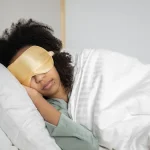
Sleep on your back if possible, and use a sleep mask only if it does not press on the lashes. Overnight pressure is one of the easiest ways to bend extensions, twist them sideways, or make them shed faster. A side-sleeper can wake up with one eye looking fuller simply because that side has been compressed for 7 or 8 hours.
A back-sleeping position keeps the lashes off the pillow and reduces direct friction. If that is not realistic, a higher pillow or a contoured sleep mask can help by creating space around the eyes. The important point is not the brand; it is whether the mask touches the lashes at all. If the mask rests on the lids, it is too close.
This step is working when the extensions still point upward in the morning instead of bending inward or sticking in odd directions. A few crooked lashes after a rough night are normal. A repeated pattern of flattened lashes on the same side means the sleep setup needs to change.
The honest limitation is that sleep habits are hard to control. A person cannot force perfect stillness for 8 hours. That is why this advice is about reducing pressure, not promising a flawless result. Even one simple change, like switching from a tight eye mask to a looser one with a deeper cup, can help preserve the shape of the set.
5. Keep humidity and steam from working against the bond
Protect lash retention from high humidity by avoiding long, direct exposure to steam and by drying the eye area gently after showering. The adhesive on eyelash extensions does not like repeated hot, wet air any more than it likes oil.
This matters most in bathrooms, kitchens, and humid climates. A 10-minute shower is not a crisis, but a daily routine of hot water, steam, and face-first exposure can make the lashes look less tidy sooner. After washing your face or showering, pat around the eyes with a clean towel without rubbing the lash line. Let the lashes air-dry or use a cool setting if the room is very damp.
Humidity does not affect every person the same way. Someone in a dry apartment with controlled indoor air may get better retention than someone in a coastal climate or a bathroom with poor ventilation. That is why the same lashes can hold differently from one home to another.
A helpful standard is to watch the lashes after 1 week. If they still look separated and are not losing shape after showers, the environment is probably manageable. If they droop, clump, or seem to shed faster in humid months, the reader should tighten up the after-shower routine and keep steam away from the face as much as practical.
6. What actually ruins lash retention fastest?
Rubbing the eyes ruins lash retention fastest because it combines pressure, friction, and pulling in one motion. Oil exposure and poor sleep habits matter too, but repeated rubbing can snap the bond, bend the extension, and dislodge the natural lash in seconds.
The problem is not only obvious scratching. It also includes small habits: wiping a tear with the heel of the hand, pushing lashes out of the way with a finger, or tugging at a corner because one extension feels out of place. One pass may not seem like much, but repeated contact over a week adds up.
A better move is to dab around the eye instead of rubbing across it. If an eye itches often, the reader should treat that as a signal to change the habit and, if it keeps happening, consult a professional rather than pressing harder. A clean tissue, a gentle dab, or a brief pause is less damaging than a quick rub that bends several lashes at once.
This is the one habit I would rank above all the others because it is direct mechanical damage. If a person changes nothing else and only stops rubbing, retention can improve. If the person keeps rubbing while also using oil-based remover and sleeping face-down, no product will fully compensate. For related care tips, see the lash extension aftercare hub.
7. Build a simple routine that helps the set last between fills
Use a routine that repeats the same few protections every day: oil-free eye makeup remover, minimal rubbing, back or side sleep with no pressure on the lashes, and reduced steam at the face. That is a reliable path to better lash retention without turning daily life into a project.
A practical version looks like this:
- Remove eye makeup with an oil-free makeup remover and a light touch.
- Keep moisturizers, balms, and sunscreen below the lash line by about 1 cm.
- Sleep without a tight eye mask or any pillow pressure on the eyes.
- Avoid waterproof mascara and anything that needs scrubbing to remove.
- After showers, let the lashes dry naturally or with cool air rather than hot air.
This works because it removes the most common sources of strain before they become habits. The set should look fuller for longer, need fewer emergency fixes, and make fills less frustrating. The goal is not perfection. The goal is a routine that preserves the look for the whole wear cycle instead of losing half the fullness in the first several days.
One honest warning: this guide is not for the reader who wants to keep using oily makeup removers, sleep face-down, and still expect long retention. That combination fights the adhesive every day. The result will usually be shorter wear time, no matter how careful the rest of the routine is.
For a fuller overview of product choices and daily care, the lash extension aftercare hub can sit above this page and point into the more detailed rules.
Key Takeaways
- Lash extensions last longer when the bond is protected from oil, friction, steam, and pressure.
- The biggest wear-time killers are rubbing the eyes, sleeping on the lashes, and using waterproof mascara.
- Oil-free makeup remover is a better fit than creamy or oily eye makeup removers.
- A sleep mask helps only if it does not press on the lash line.
- Humidity and hot steam can shorten retention, especially when they are part of a daily routine.
- The simplest fix is usually the best one: less rubbing, less oil, less pressure.
What ruins lash retention the fastest?
Rubbing the eyes usually ruins lash retention the fastest. It creates direct friction and pulling, which can bend, loosen, or dislodge extensions in a single motion. Waterproof mascara removal, oily eye products, and sleeping face-down also damage retention, but rubbing is the quickest way to undo careful care.
Does sleeping on your side affect eyelash extensions?
Yes, sleeping on your side can affect eyelash extensions if the pillow presses on the eye area. The pressure can flatten, twist, or bend lashes overnight. A soft, contoured sleep mask or a pillow position that keeps the lashes off the fabric can reduce the damage, but back-sleeping is the most protective option.
Can you wear eye makeup with lash extensions?
Yes, but the makeup has to be easy to remove and not force heavy rubbing. Waterproof mascara is a poor choice because it usually needs more pressure to take off. Eye makeup works better when it is light, non-oily, and removed with an oil-free makeup remover using a gentle touch.
Drafted with AI; not yet reviewed by a person.