
Getting eyelash extensions can be a wonderful way to enhance your look, but knowing how to safely remove them is just as important as getting them applied. Many people worry about damaging their natural lashes or causing irritation when the time comes to say goodbye to their extensions. This guide will show you the best ways to use an eyelash extension remover, ensuring a smooth and safe process every time. You’ll learn how to choose the right product and apply it effectively for beautiful, healthy lashes.
Key Takeaways
- Understand the different types of eyelash extension removers available.
- Learn the correct application techniques for safe and effective removal.
- Discover tips for minimizing damage to natural lashes during removal.
- Know when and how to seek professional help for stubborn extensions.
- Explore aftercare practices to keep your natural lashes healthy post-removal.
Choosing Your Eyelash Extension Remover
Selecting the right eyelash extension remover is the first critical step in the removal process. The market offers a variety of products, each with its own formula and application method. Understanding these differences helps you pick the safest and most effective option for your specific needs and lash sensitivity.
Types of Eyelash Extension Removers
There are generally three main types of eyelash extension removers: gel, cream, and liquid. Each has unique properties that affect its performance and ease of use.
Gel Removers
Gel removers are often preferred for their non-drip formula. This thickness prevents the product from running into your eyes, which is a common concern during at-home removal. The gel consistency allows for precise application directly onto the adhesive bonding the extensions to your natural lashes. It works by slowly breaking down the bond of the eyelash extension glue.
- Non-drip formula: This is the primary advantage of gel removers. It stays where you put it, minimizing the risk of eye irritation.
- Precise application: The thick texture makes it easier to target only the adhesive bonds without touching the skin or natural lashes excessively.
- Slower acting: While safe, gel removers can sometimes take longer to fully dissolve the glue compared to liquid formulations. Patience is key.
Cream Removers
Cream removers are similar to gel removers in that they offer a thicker consistency, reducing the chance of eye contact. They are often considered very gentle and suitable for individuals with sensitive skin or eyes. The creamy texture provides a good balance between effective dissolving power and a gentle touch.
- Gentle on skin: Cream formulations are typically hypoallergenic and less likely to cause redness or irritation.
- Good for sensitive eyes: If you often experience discomfort with beauty products, a cream remover might be your best bet.
- Moderate speed: They generally work a bit faster than gels but slower than some liquids, offering a balanced removal experience.
Liquid Removers
Liquid removers are the most potent and fastest-acting option. They usually contain stronger solvents designed to break down adhesive quickly. However, their thinner consistency means they require extra care during application to prevent them from running into the eyes. Professionals often favor liquid removers for their speed and efficiency.
- Fast-acting: Liquid removers can dissolve lash glue very rapidly, making the removal process quicker.
- Requires careful application: Due to their thin nature, using cotton swabs or specialized applicators is essential to avoid eye contact.
- Potentially stronger: The solvents may be harsher, so it is crucial to perform a patch test if you have sensitive skin.
Ingredients to Look For and Avoid
When selecting an eyelash extension remover, paying attention to the ingredients is vital for both effectiveness and safety. Certain ingredients are known for their dissolving properties, while others can cause irritation or damage.
- Beneficial Ingredients: Look for removers containing ingredients like propylene carbonate or ethylene carbonate. These are common solvents that are effective at breaking down cyanoacrylate-based lash adhesives without being overly harsh. Some formulas might also include moisturizing agents like vitamin E or aloe vera to help nourish lashes during and after removal.
- Ingredients to Avoid: Be cautious of removers containing high concentrations of acetone. While acetone is a powerful solvent, it can be very drying and damaging to natural lashes and the delicate skin around the eyes. Alcohol-based solvents can also be drying. Always check the ingredient list and opt for formulas specifically designed for eyelash extensions.
Safe Application Techniques for Eyelash Extension Remover
Proper application of an eyelash extension remover is paramount to ensure the safety of your eyes and the health of your natural lashes. Rushing the process or using the product incorrectly can lead to irritation, lash damage, or even allergic reactions.
Preparation is Key
Before you even open your remover, proper preparation sets the stage for a smooth and safe experience. This involves gathering your supplies and creating a clean, comfortable environment.
- Gather Your Supplies: You will need your chosen eyelash extension remover, cotton swabs, micro-brushes (if using liquid remover), a clean spoolie brush, and gentle makeup remover or micellar water. Having everything within reach prevents you from having to move around unnecessarily while the remover is on your lashes.
- Cleanse Your Eyelids and Lashes: Gently cleanse your eyelids and lashes with an oil-free makeup remover or a lash shampoo. This removes any residual makeup, oils, or debris that could interfere with the remover’s effectiveness or cause irritation. Ensure your lashes are completely dry before applying the remover.
Step-by-Step Removal Process
Following a clear, step-by-step process minimizes the risk of errors and ensures that the remover is applied effectively to the adhesive bonds.
- Apply Remover to Applicator:
- For gel or cream removers, carefully apply a small amount to a cotton swab.
- For liquid removers, dip a micro-brush or the tip of a cotton swab into the product. Avoid over-saturating the applicator.
- Apply to Adhesive Bonds:
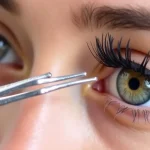
- With your eyes closed, gently apply the remover-soaked applicator only to the adhesive where the extension meets your natural lash. Avoid touching the skin or getting the product into your eye.
- Work in small sections, applying the remover to a few lashes at a time.
- Allow Time to Work:
- Let the remover sit on the adhesive for the time recommended by the product manufacturer, typically 5-15 minutes. Do not rush this step, as it allows the product to effectively break down the glue.
- You may feel a slight tingling sensation, which is usually normal, but discontinue use if you experience any burning or discomfort.
- Gently Remove Extensions:
- After the recommended time, use a clean spoolie brush or another clean cotton swab to gently glide through your lashes. The extensions should begin to slide off easily.
- If extensions are not coming off with minimal pressure, apply a little more remover to the adhesive area and wait a few more minutes. Never pull or tug at the extensions.
- Rinse and Cleanse:
- Once all extensions are removed, thoroughly rinse your eyes with lukewarm water.
- Follow up with a gentle, oil-free cleanser to ensure all traces of the remover and glue residue are gone.
Tips for Sensitive Eyes and Skin
If you have sensitive eyes or skin, taking extra precautions is essential. Choosing the right product and using a gentler application method can make a significant difference.
- Patch Test First: Always perform a patch test on a small area of skin (like your inner wrist or behind your ear) before applying any new product to your eye area. Wait 24 hours to check for any adverse reactions.
- Opt for Gentler Formulas: As mentioned earlier, gel and cream removers are generally gentler than liquids. Look for products specifically labeled as “hypoallergenic” or “for sensitive eyes.”
- Use Minimal Product: Apply only the amount of remover needed to cover the adhesive bonds. Excess product increases the risk of it spreading and causing irritation.
- Close Your Eyes Tightly: Ensure your eyes are completely shut throughout the application and removal process. You can also place a clean tissue or cotton pad just below your lower lash line as an extra barrier.
Minimizing Damage to Natural Lashes
One of the biggest fears when removing eyelash extensions is causing damage to your natural lashes. This can include breakage, thinning, or a permanent change in lash texture or growth. Fortunately, by following the correct procedures and using the right techniques, you can significantly minimize this risk.
Understanding Adhesive Bonds
The glue used to attach eyelash extensions to your natural lashes is designed to be strong and long-lasting. This adhesive is typically a cyanoacrylate-based formula. When an eyelash extension remover is applied correctly, it works by chemically breaking down the bonds of this adhesive.
- How Adhesives Work: Cyanoacrylate adhesives polymerize when exposed to moisture, creating a strong bond. This process usually takes about 24-48 hours to fully cure. The removers contain solvents that disrupt this polymerized bond, making the glue soft and pliable again.
- The Importance of Dissolving, Not Ripping: It’s crucial to understand that the remover’s job is to dissolve the glue, allowing the extension to slide off effortlessly. Any force applied to pull or tear extensions away from your natural lashes will likely damage the hair follicle and the natural lash itself. This can lead to breakage and longer regrowth periods.
Gentle Removal Techniques
The method you use to remove the extensions directly impacts the health of your natural lashes. Gentle, patient techniques are key to preserving your lash line.
- Avoid Forceful Pulling: This is the golden rule. Never pull, tug, or force extensions off your lashes. If an extension doesn’t slide off easily with a gentle comb or wipe, more remover and time are needed. Patience is your best friend here.
- Use the Right Tools: Spoolie brushes are excellent for gently coaxing extensions off after the remover has had time to work. They help you comb through the lashes and separate them, encouraging the extensions to detach from the dissolved glue. Clean mascara wands (spoolies) are ideal as they have fine bristles that can get close to the lash base without causing harm.
- Work in Stages: Instead of trying to remove all extensions at once, focus on small sections. Apply the remover, let it work, and then gently remove the extensions from that section before moving on. This methodical approach ensures that the remover has sufficient time to act on each bond and reduces the temptation to rush.
Aftercare for Healthy Lashes
Once the extensions are removed, your natural lashes may be slightly compromised. A good aftercare routine can help restore their strength and health.
- Nourish with Lash Serums: Consider using a lash growth serum or a nourishing oil after removal. Ingredients like castor oil, vitamin E, or specialized lash serums can help strengthen and condition your natural lashes. Apply these serums nightly to clean lashes, just like you would apply mascara.
- Give Lashes a Break: If you frequently wear eyelash extensions, allow your natural lashes a break between sets. This gives them time to recover and ensures they remain strong and healthy. A few weeks off can make a noticeable difference.
- Avoid Rubbing Eyes: Be mindful of rubbing your eyes, especially after removal. This can cause undue stress on your natural lashes.
Case Study: Sarah’s Lash Removal Experience
Sarah, a frequent wearer of eyelash extensions, noticed her natural lashes felt weaker and thinner after her last removal. She had previously pulled at some stubborn extensions out of impatience. For her next removal, she decided to be extra cautious. She used a cream eyelash extension remover, applied it diligently with cotton swabs to the lash line, and waited the full 15 minutes. She then used a spoolie to gently comb through her lashes. The extensions slid off with ease. Afterwards, she applied a castor oil-based lash serum nightly for two weeks. When she checked her lashes in the mirror, she was relieved to see they looked much healthier and less sparse than before. This experience reinforced the importance of patience and using the correct remover.
When to Seek Professional Removal
While at-home removal of eyelash extensions is often possible and convenient, there are specific situations where seeking professional help is the safest and most effective option. Attempting removal yourself in these instances could lead to significant damage or discomfort.
Signs You Need Professional Help
Several indicators suggest that your eyelash extensions should be removed by a trained lash technician. These often involve difficulties with at-home methods or concerns about the integrity of your natural lashes.
- Stubborn Glue Bonds: If you’ve applied the remover correctly and waited patiently, but the extensions still won’t budge, the adhesive might be particularly strong or have cured in a way that makes it resistant to standard removers. A professional has access to stronger, specialized products and techniques.
- Eye Irritation or Allergic Reaction: If you experience burning, redness, swelling, or itching during or after an attempted at-home removal, stop immediately. These are signs of a potential allergic reaction or irritation that a professional can assess and treat appropriately. They can ensure all irritants are removed safely.
- Recent Lash Lift or Tint: If your natural lashes have recently undergone a lash lift or tint, they may be more fragile. A professional will know how to handle these treated lashes with extra care during the extension removal process.
- Very Sparse or Damaged Natural Lashes: If your natural lashes are already very thin, brittle, or sparse, it’s best to let a professional handle the removal. They can assess the condition of your lashes and use techniques that minimize any further stress or breakage.
What a Professional Removal Entails
Professional removal is a controlled and precise process performed by a certified lash technician. They have the training, tools, and products to remove extensions safely and efficiently.
- Expert Assessment: A technician will first assess the condition of your natural lashes and extensions. They can identify the type of adhesive used and any potential issues, like lash mites or infections, which you might overlook.
- Specialized Products and Tools: Professionals use medical-grade removers and fine-tipped tools designed for precision. They understand the exact amount of product needed and how long to leave it on without causing harm to your eyes or skin.
- Gentle Technique: Their application is highly targeted to the adhesive bonds. They use specialized brushes and techniques to ensure the remover only contacts the glue and not the skin or the natural lash shaft, preventing irritation and breakage.
- Thorough Cleansing: After removal, professionals ensure your lashes and eyelids are thoroughly cleansed, removing all traces of adhesive and remover, which is crucial for preventing future irritation.
Cost and Time Considerations
Professional removal is an investment, but often a worthwhile one for the health of your lashes.
- Typical Cost: Prices for professional eyelash extension removal can range from $20 to $50, depending on your location and the salon. This is usually a quick service, taking about 15-30 minutes.
- Time Investment: While at-home removal might seem to save time, it can end up taking longer if you are being extremely cautious or if the extensions are difficult to remove. Professional removal offers speed and expertise.
Sample Scenario: When DIY Fails
Maria decided to remove her eyelash extensions herself before a vacation. She bought a popular eyelash extension remover and followed the online tutorials. However, after applying the remover and waiting, many of her extensions were still firmly attached. She tried applying more remover and gently tugging, which resulted in some of her natural lashes breaking. Panicked and in pain, she called her lash technician, who agreed to see her immediately. The technician was able to safely remove the remaining extensions with a specialized gel remover, addressing Maria’s irritation with a soothing rinse. Maria learned a valuable lesson: for difficult removals or when in doubt, always trust a professional.
Common Myths Debunked
There are several misconceptions about removing eyelash extensions that can lead people to use incorrect methods or products, potentially harming their natural lashes. Let’s debunk some of the most common myths.
Myth 1: You can just pull extensions off.
This is perhaps the most damaging myth. Pulling or tugging at eyelash extensions can rip out your natural lashes from the follicle. This can lead to sparse lash lines, breakage, and even permanent damage.
The correct method involves dissolving the adhesive bond with a specialized remover, allowing extensions to slide off gently.
Myth 2: Any oil-based product will remove lash glue.
While oil-based products like baby oil or coconut oil can help weaken some adhesives over time, they are not strong enough to effectively break down the cyanoacrylate bonds used in most professional eyelash extensions without significant effort and potential damage. They might loosen some weaker bonds, but for a complete and safe removal, a dedicated eyelash extension remover is necessary. These products are specifically formulated to target and dissolve the strong lash glue.
Myth 3: All eyelash extension removers are harsh and damaging.
This is not true. While some removers might contain stronger solvents, many modern eyelash extension removers, especially gel and cream formulas, are designed to be gentle. They are created with ingredients that effectively break down the adhesive without being overly harsh on your natural lashes or the delicate skin around your eyes.
Choosing a reputable brand and the right type of remover for your sensitivity is key.
Myth 4: You can’t get extensions removed if you have sensitive eyes.
This is a myth. People with sensitive eyes can safely remove eyelash extensions by choosing the right products and techniques. Opting for hypoallergenic gel or cream removers, performing a patch test, and using careful application methods can significantly reduce the risk of irritation.
Professional removal is also an excellent option for those with sensitive eyes, as technicians are trained to handle such cases.
Frequently Asked Questions
Question: How long does it take to remove eyelash extensions with a remover?
Answer: The time can vary depending on the product and the strength of the adhesive. Typically, it takes between 5 to 15 minutes for the remover to dissolve the glue effectively. Patience is key; do not rush the process.
Question: Can I use rubbing alcohol to remove eyelash extensions?
Answer: It is strongly advised not to use rubbing alcohol. While it might break down some glues, it is very drying and can be extremely irritating to your eyes and the delicate skin around them, potentially causing damage.
Question: What should I do if the remover gets into my eye?
Answer: If any remover gets into your eye, immediately flush your eye with large amounts of lukewarm water for at least 15 minutes. If irritation persists or you experience pain or vision changes, seek medical attention.
Question: How often can I safely remove eyelash extensions?
Answer: You can safely remove eyelash extensions whenever needed. However, it’s beneficial to give your natural lashes a break between extension applications to allow them to recover and maintain their health.
Question: Can I reuse eyelash extensions after removing them?
Answer: While some volume or strip lashes are designed for single use, professional individual eyelash extensions are typically not meant to be reused once removed. The adhesive and any residual glue would need to be thoroughly cleaned, which is difficult and can damage the extensions.
Conclusion
Using the right eyelash extension remover and applying it correctly ensures your natural lashes stay healthy and strong. Opt for gentle, effective products like gel or cream removers, and always follow a careful application process. Never pull or tug; let the remover do its work. If you have sensitive eyes or stubborn glue, a professional removal is the best choice. With proper care, you can enjoy beautiful lashes and a safe removal experience.